

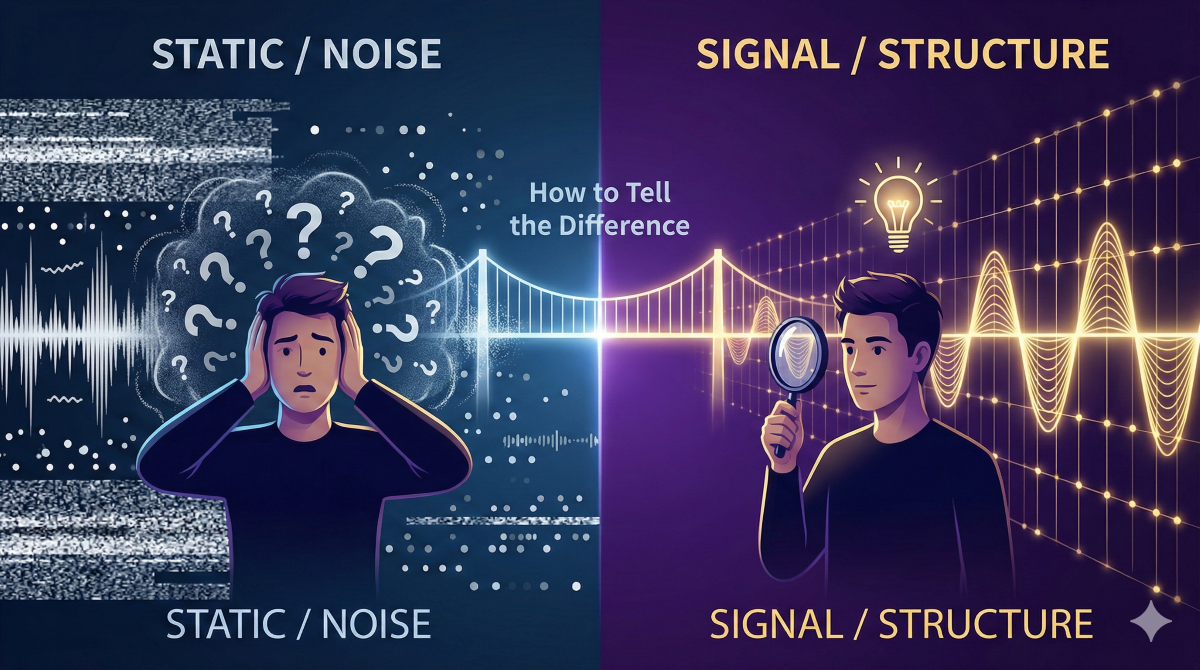



Decimal and fractional odds are often described as two different ways of expressing the same information. Technically, that’s correct. Both formats encode the same underlying probability. In practice, however, they feel very different, encourage different interpretations, and routinely lead to confusion even among experienced users.
The confusion is not mathematical; it’s perceptual. Each format highlights different aspects of risk and reward, shaping how people think about outcomes, confidence, and expectation. This transition from numerical value to practical interpretation is further examined in Related article, which explores the core of how odds are calculated and interpreted in real-world scenarios.
What Decimal Odds Emphasize
Decimal odds are outcome-focused. They answer one clear question: how much comes back in total if the outcome occurs. The number already includes the original stake, which makes the result feel complete and self-contained.
This simplicity is why decimal odds feel intuitive. One number, multiplied by the stake, produces a clear result. There is no comparison step. That clarity, however, introduces a subtle distortion. Because the number stands alone, it often gets interpreted as a confidence signal. Lower decimals feel safer, while higher decimals feel riskier. The brain begins ranking outcomes as if the number were a forecast rather than a price.
What Fractional Odds Emphasize
Fractional odds frame outcomes differently. Instead of presenting a final total, they express relative gain. The fraction shows how much is gained in relation to what is risked.
This framing makes imbalance visible. A fraction like 5/1 highlights that the potential gain is much larger than the stake, implicitly signaling lower likelihood. A fraction like 1/5 does the opposite, emphasizing risk taken for a small return. Fractional odds force comparison; they keep attention on trade-offs instead of collapsing everything into a single figure.
Why Identical Probabilities Feel Different
Although both formats encode the same probability, they activate different mental shortcuts. Decimal odds encourage outcome simulation—people imagine the result and its payoff. Fractional odds encourage evaluation—people weigh risk against reward.
This perception gap explains why decimal odds often feel more confident and fractional odds feel more conservative, even when probability is identical. The difference lies entirely in presentation, not math. This framing effect connects closely to why numerical representations often feel predictive even when they are not, a dynamic explored further in Additional information.
How Probability Gets Lost
Once odds are presented, probability tends to fade into the background. Instead of thinking in likelihoods, people respond to how the numbers feel. With decimal odds, smaller numbers are often misread as forecasts of success rather than prices reflecting lower return. With fractional odds, larger fractions are dismissed as extreme long shots, even when probabilities may still be meaningful.
How Format Shapes Confidence and Expectation
Odds format doesn’t just affect understanding; it shapes emotion. Decimal odds often elevate confidence by presenting a clean, resolved outcome. Fractional odds temper confidence by emphasizing imbalance and risk. When confidence is built on framing rather than probability, expectation drifts.
This aligns with broader 2024 behavioral research on numerical framing, which shows that identical probabilities produce different confidence levels depending on how information is formatted, as outlined in Nature Reviews Psychology, 2024.
Summary
Decimal and fractional odds do not change risk; they change how risk feels. One emphasizes total outcome, while the other emphasizes relative exchange. Neither is more accurate. They are different lenses applied to the same uncertainty. Understanding this distinction restores odds to their proper role—not as predictors or confidence signals, but as representations of uncertainty.