Goyang Insider

BTS ARIRANG World Tour Opens in Goyang: A Beginner’s Guide to Stadium Operation

Introduction: A Historic Return

On April 19, 2026, BTS launched their long-awaited ARIRANG World Tour at Goyang Sports Complex. This marked the group’s first full performance together after completing military service, making the event a cultural milestone. While Day 1 was rained out, Day 2 unfolded with fireworks, synchronized choreography, and large-scale stage effects that electrified tens of thousands of fans.

Beyond the music, the event highlighted how multi-purpose stadiums like Goyang Sports Complex function as civic infrastructure — hosting both sports and cultural spectacles. For readers new to stadiums, this concert offers a case study in how venues balance logistics, safety, and adaptability. For another example of how Goyang uses its civic venues, see Goyang Citizen Sports Festival: Understanding Amateur Competition Formats.

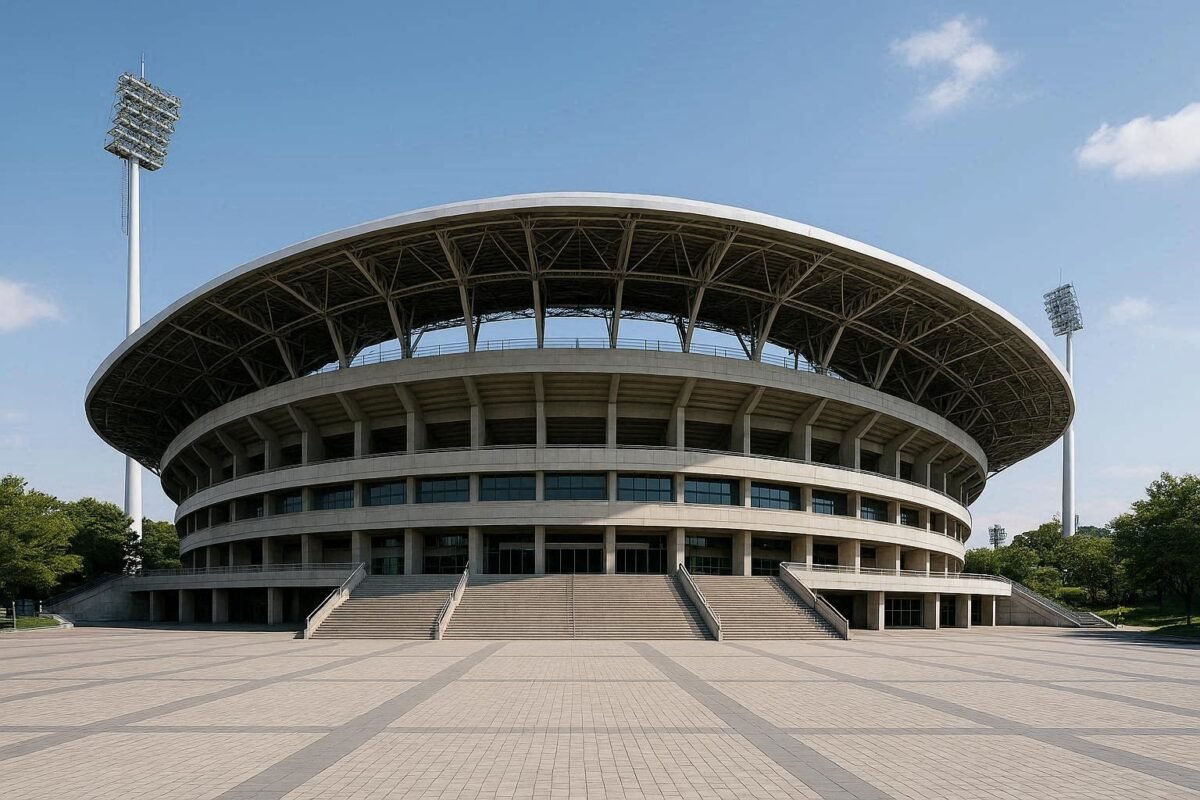
Goyang Sports Complex: A Multi-Purpose Venue

Goyang Sports Complex is designed to serve both athletic and cultural needs. With a seating capacity of over 40,000, it regularly hosts football matches, athletics events, and large-scale concerts.

Key features include:

  • Tiered seating: Divided into lower, middle, and upper sections to maximize visibility.
  • Field adaptability: The central pitch can be converted from a football field to a concert stage.
  • Infrastructure support: Power grids, lighting rigs, and sound systems are integrated to handle diverse events.

For more details, see the Goyang Sports Complex official page.

Day 1: Weather as a Critical Factor

The opening day of the ARIRANG Tour was canceled due to heavy rain. This underscores how weather directly impacts stadium operations.

  • Safety protocols: Wet surfaces increase risks for performers and fans.
  • Electrical hazards: Stage equipment and lighting systems must be protected from water exposure.
  • Crowd management: Coordinating refunds, rescheduling, and communication requires logistical precision.

For beginners, this illustrates that stadium events are not just about performances — they are about ensuring safety under unpredictable conditions. For context on stadium safety standards, see FIFA Stadium Safety Guidelines (fifa.com in Bing).

Day 2: Fireworks, Choreography, and Stage Effects

When the skies cleared, Day 2 showcased the full scale of stadium entertainment. BTS performed with synchronized choreography, pyrotechnics, and immersive stage design.

  • Fireworks integration: Coordinated with music cues, requiring permits and fire safety oversight.
  • Stage engineering: Platforms, lifts, and LED screens transformed the pitch into a multimedia arena.
  • Audience experience: Fans in every tier could see and hear clearly, thanks to distributed sound systems and visual effects.

For global comparisons, see Billboard’s coverage of BTS concerts.

Seating Capacity and Crowd Flow

Understanding seating capacity is central to stadium operations. Goyang Sports Complex’s 40,000+ seats are divided into zones, each with designated entry points.

  • Ticketing systems: Digital platforms assign seats and manage entry.
  • Crowd flow: Multiple gates and concourses prevent bottlenecks.
  • Accessibility: Ramps, elevators, and reserved seating ensure inclusivity.

For more on stadium design, see K League Stadium Guide.

Safety Protocols: Behind the Scenes

Safety is the backbone of stadium operations. At the BTS concert, protocols included:

  • Emergency exits: Clearly marked and staffed by security.
  • Medical stations: On-site paramedics prepared for dehydration, injuries, or emergencies.
  • Security checks: Bag inspections and metal detectors ensured safety without disrupting flow.
  • Weather monitoring: Real-time updates guided decisions on cancellations or delays.

For international standards, see UEFA Stadium Infrastructure Regulations (uefa.com in Bing).

Event Coordination: The Logistics of Scale

Coordinating a world tour launch involves multiple layers of logistics:

  • Stage setup: Requires days of construction, rehearsals, and safety checks.
  • Crew management: Hundreds of staff handle lighting, sound, security, and concessions.
  • Local coordination: City officials, police, and emergency services collaborate with organizers.
  • Fan services: Merchandise booths, food stalls, and rest areas enhance the experience.

For insights into event logistics, see International Association of Venue Managers.

Stadiums as Civic Infrastructure

Stadiums like Goyang Sports Complex are more than entertainment venues. They are civic infrastructure that:

  • Host sports: Football, athletics, and community tournaments.
  • Support culture: Concerts, festivals, and national celebrations.
  • Drive economy: Tourism, local business, and employment.
  • Foster identity: Serving as landmarks that symbolize civic pride.

Educational Value: Lessons from Stadium Operations

For readers new to stadiums, the BTS concert offers key lessons:

  1. Weather matters: Rain can cancel events, highlighting the need for contingency planning.
  2. Safety is central: Protocols protect fans and performers.
  3. Logistics are complex: Coordinating thousands of people requires infrastructure and planning.
  4. Adaptability defines value: Stadiums thrive by hosting diverse events.

Beginner’s Guide: How Stadiums Work

To simplify, here’s a beginner’s guide to stadium operations:

  • Seating capacity: Determines how many fans can attend safely.
  • Entry and exit: Multiple gates manage crowd flow.
  • Safety protocols: Emergency plans, medical staff, and security checks.
  • Event coordination: Collaboration between organizers, city officials, and stadium staff.
  • Weather contingency: Monitoring and response systems.

BTS and the Symbolism of Goyang

Launching the ARIRANG World Tour in Goyang carries symbolic weight. It marks BTS’s return as a full group, celebrated in a civic venue that embodies Korea’s ability to host global cultural events.

Conclusion: Stadiums as Shared Spaces

The BTS ARIRANG World Tour opening in Goyang illustrates the intersection of culture, infrastructure, and community. Day 1’s rainout showed the importance of safety and contingency planning. Day 2’s spectacle highlighted the engineering and logistics that make stadium events possible.

For beginners, the concert serves as a guide to understanding stadiums: their seating, safety, logistics, and adaptability. As civic infrastructure, stadiums like Goyang Sports Complex are more than venues — they are shared spaces where sports, culture, and identity converge.

Why Odds Formats Change How Risk Feels

Decimal and fractional odds are often described as two different ways of expressing the same information. Technically, that’s correct. Both formats encode the same underlying probability. In practice, however, they feel very different, encourage different interpretations, and routinely lead to confusion even among experienced users.

The confusion is not mathematical; it’s perceptual. Each format highlights different aspects of risk and reward, shaping how people think about outcomes, confidence, and expectation. This transition from numerical value to practical interpretation is further examined in Related article, which explores the core of how odds are calculated and interpreted in real-world scenarios.

What Decimal Odds Emphasize

Decimal odds are outcome-focused. They answer one clear question: how much comes back in total if the outcome occurs. The number already includes the original stake, which makes the result feel complete and self-contained.

This simplicity is why decimal odds feel intuitive. One number, multiplied by the stake, produces a clear result. There is no comparison step. That clarity, however, introduces a subtle distortion. Because the number stands alone, it often gets interpreted as a confidence signal. Lower decimals feel safer, while higher decimals feel riskier. The brain begins ranking outcomes as if the number were a forecast rather than a price.

What Fractional Odds Emphasize

Fractional odds frame outcomes differently. Instead of presenting a final total, they express relative gain. The fraction shows how much is gained in relation to what is risked.

This framing makes imbalance visible. A fraction like 5/1 highlights that the potential gain is much larger than the stake, implicitly signaling lower likelihood. A fraction like 1/5 does the opposite, emphasizing risk taken for a small return. Fractional odds force comparison; they keep attention on trade-offs instead of collapsing everything into a single figure.

Why Identical Probabilities Feel Different

Although both formats encode the same probability, they activate different mental shortcuts. Decimal odds encourage outcome simulation—people imagine the result and its payoff. Fractional odds encourage evaluation—people weigh risk against reward.

This perception gap explains why decimal odds often feel more confident and fractional odds feel more conservative, even when probability is identical. The difference lies entirely in presentation, not math. This framing effect connects closely to why numerical representations often feel predictive even when they are not, a dynamic explored further in Additional information.

How Probability Gets Lost

Once odds are presented, probability tends to fade into the background. Instead of thinking in likelihoods, people respond to how the numbers feel. With decimal odds, smaller numbers are often misread as forecasts of success rather than prices reflecting lower return. With fractional odds, larger fractions are dismissed as extreme long shots, even when probabilities may still be meaningful.

How Format Shapes Confidence and Expectation

Odds format doesn’t just affect understanding; it shapes emotion. Decimal odds often elevate confidence by presenting a clean, resolved outcome. Fractional odds temper confidence by emphasizing imbalance and risk. When confidence is built on framing rather than probability, expectation drifts.

This aligns with broader 2024 behavioral research on numerical framing, which shows that identical probabilities produce different confidence levels depending on how information is formatted, as outlined in Nature Reviews Psychology, 2024.

Summary

Decimal and fractional odds do not change risk; they change how risk feels. One emphasizes total outcome, while the other emphasizes relative exchange. Neither is more accurate. They are different lenses applied to the same uncertainty. Understanding this distinction restores odds to their proper role—not as predictors or confidence signals, but as representations of uncertainty.

KBO Baseball Basics: KT Wiz’s Season Start

Introduction

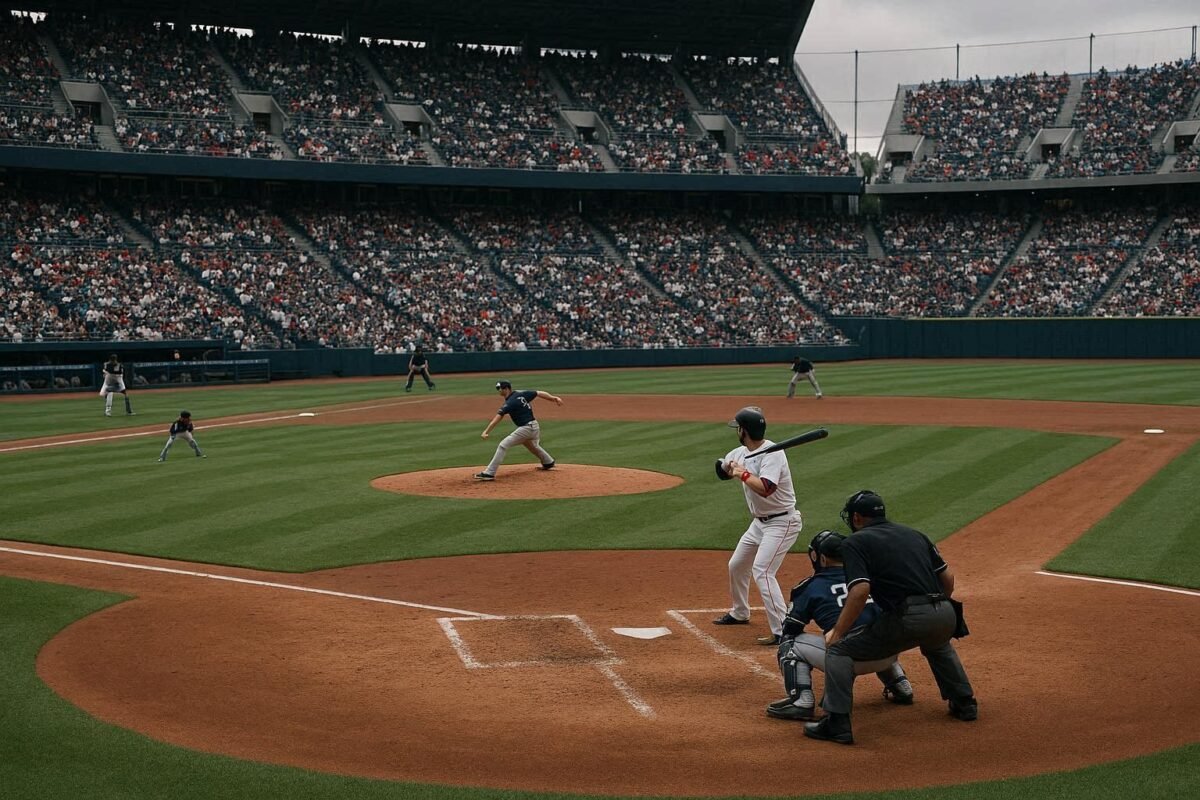
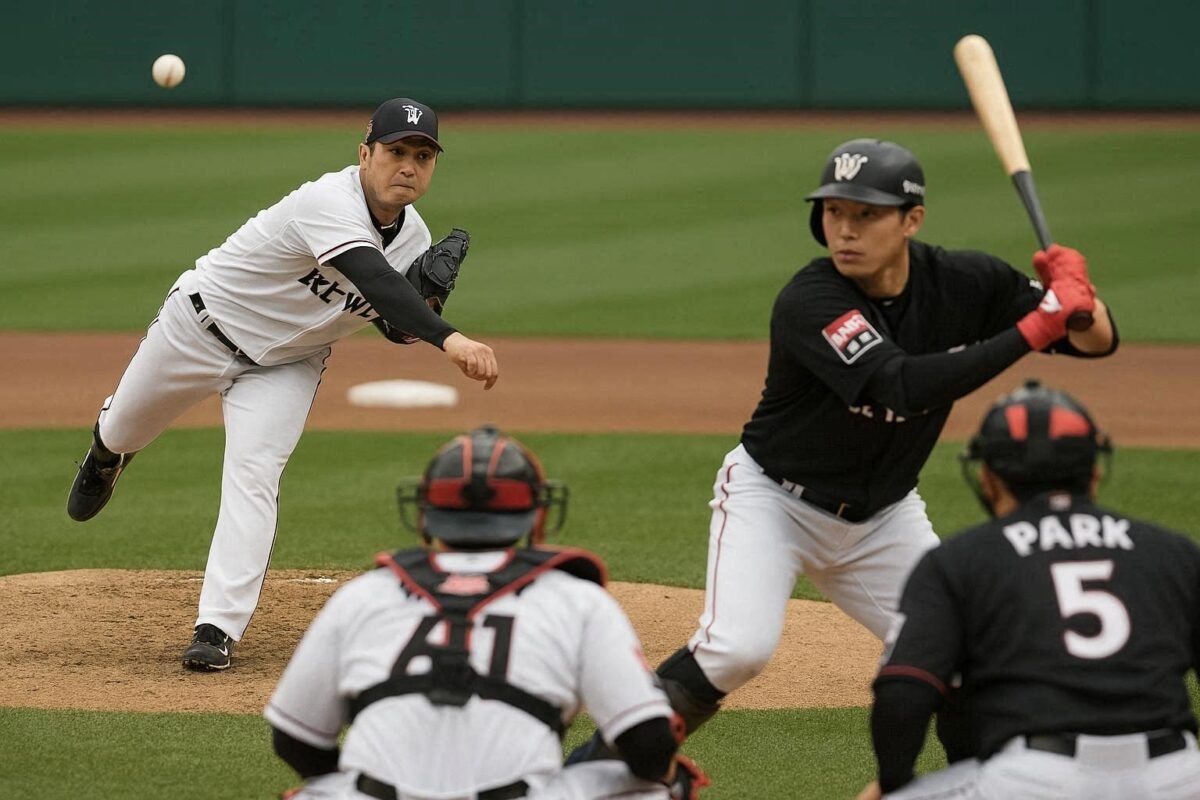
The KT Wiz, based in Suwon and closely followed across Gyeonggi-do, began their 2026 campaign with a mix of frustration and relief. After stumbling through a losing streak, the team snapped back with a win over the Doosan Bears. For seasoned fans, this was just another early-season fluctuation. But for newcomers to Korean baseball, the moment offers a perfect entry point into understanding how the Korea Baseball Organization (KBO) season is structured, how standings are determined, and why early results don’t always predict long-term success.

This article provides a beginner-friendly guide to the basics of KBO baseball, using KT Wiz’s season start as a case study. For readers who want a deeper dive into how opening week sets the tone, see KBO Opening Week: How Baseball Seasons Are Structured.

KT Wiz: A Brief Background

KT Wiz is one of the newer franchises in the KBO, joining the league in 2015. Based in Suwon, the team quickly built a loyal following across Gyeonggi-do. Their home stadium, Suwon KT Wiz Park, has become a hub for local baseball culture, drawing families, students, and dedicated fans alike.

The Wiz’s rise has been marked by both growing pains and triumphs. They captured their first Korean Series championship in 2021, cementing their place as a competitive force. For new fans, KT Wiz represents both the excitement of modern baseball and the traditions of the KBO.

The Structure of the KBO Season

One of the first things new fans should understand is how the KBO season is organized. Each of the 10 teams plays 144 games in the regular season. This long schedule ensures that teams face each other multiple times, creating rivalries and opportunities for redemption.

Standings are determined by win-loss records. A team’s winning percentage is calculated by dividing the number of wins by the total number of games played. Unlike some sports where point systems or divisions complicate standings, KBO baseball is straightforward: win more games, climb the table.

At the end of the regular season, the top five teams advance to the postseason. The fifth-place team enters the Wild Card round, while higher-seeded teams enjoy advantages such as byes or home-field priority. The postseason culminates in the Korean Series, the championship showdown. For context, the official KBO website provides daily standings and schedules, making it easy for new fans to follow along.

Early-Season Lessons: Small Sample Sizes

KT Wiz’s early-season losing streak followed by a win over Doosan illustrates a key lesson for beginners: small sample sizes can be misleading. In baseball, even strong teams can lose several games in a row. Conversely, weaker teams can string together surprising victories.

With 144 games on the schedule, early results rarely define the season. A team that starts poorly can rebound, while a team that begins hot may cool off. For new fans, this teaches patience. Baseball is a marathon, not a sprint.

Statisticians often emphasize the importance of larger sample sizes. A player’s batting average after 10 games may look impressive or disappointing, but it usually stabilizes after 50 or 100 games. Similarly, a team’s win-loss record in April is just the beginning of a long journey. For comparison, MLB.com often publishes early-season analysis that highlights similar lessons in the American league.

Understanding Standings and Records

Standings in the KBO are updated daily, reflecting each team’s win-loss record. For example, if KT Wiz has 5 wins and 7 losses, their winning percentage is .417. This percentage determines their place in the table relative to other teams.

Ties are rare but possible in the KBO, as games can end without a winner after extra innings. In such cases, ties are recorded separately and do not count as wins or losses. This adds a unique wrinkle to standings compared to Major League Baseball in the United States, where ties are virtually nonexistent.

Fans often track standings closely, especially as the season progresses. By midseason, patterns begin to emerge, and playoff races take shape. For beginners, learning to read standings is a fundamental skill in following the league.

KT Wiz vs. Doosan: A Case Study

The Wiz’s victory over Doosan was more than just a single win. It demonstrated resilience and offered fans a reminder of baseball’s unpredictability. Doosan, one of the KBO’s most storied franchises, has a reputation for consistency and competitiveness. Beating them, even early in the season, carries symbolic weight.

For new fans, this game highlighted several aspects of baseball culture:

  • Momentum shifts: A losing streak can end suddenly, changing the mood of players and fans.
  • Rivalries: Matches against established teams like Doosan often draw extra attention.
  • Narratives: Each game contributes to the larger story of the season, shaping how fans perceive their team’s journey.

The Role of Statistics in Baseball

Baseball is often called a “numbers game,” and the KBO is no exception. Fans and analysts rely on statistics to evaluate performance. Common metrics include batting average, home runs, runs batted in (RBIs), earned run average (ERA) for pitchers, and on-base plus slugging (OPS).

For beginners, these numbers can seem overwhelming. The key is to start with basics:

  • Batting average (AVG): Hits divided by at-bats, showing how often a player gets a hit.
  • ERA: Runs allowed by a pitcher per nine innings, indicating effectiveness.
  • Win-loss record: The simplest measure of team success.

As fans gain experience, they can explore advanced metrics like WAR (Wins Above Replacement) or FIP (Fielding Independent Pitching), which provide deeper insights. For those curious about analytics, FanGraphs offers accessible explanations of baseball statistics.

Fan Culture in Suwon and Gyeonggi-do

KT Wiz’s presence in Suwon has energized local fan culture. Baseball games are community events, with cheering sections, coordinated chants, and family-friendly atmospheres. Fans often wear team jerseys, wave banners, and participate in traditions unique to the KBO, such as singing team songs during games.

For new fans, attending a game at Suwon KT Wiz Park offers an immersive introduction to baseball culture. It’s not just about the sport—it’s about community, identity, and shared experience.

Across Gyeonggi-do, KT Wiz games are followed closely, reflecting the team’s regional significance. Local media, schools, and businesses often engage with the team, reinforcing its role in civic life.

Comparing KBO to Other Leagues

For fans familiar with Major League Baseball (MLB) or other international leagues, the KBO offers both similarities and differences. The 144-game schedule is shorter than MLB’s 162 games but still long enough to test endurance. The postseason structure, with five teams advancing, differs from MLB’s expanded playoff format.

KBO games also feature unique cultural elements, such as cheer squads and fan participation. The pace of play and style of competition reflect Korea’s baseball traditions, blending global influences with local flavor.

Understanding these differences helps new fans appreciate the KBO as a distinct league with its own identity.

Why Early-Season Baseball Matters

Although early-season results don’t predict long-term outcomes, they matter in shaping narratives and building momentum. For KT Wiz, snapping a losing streak against Doosan boosted morale and reassured fans. For beginners, these moments illustrate the emotional highs and lows of baseball.

Early games also provide opportunities for players to establish themselves. Young prospects may earn starting roles, while veterans aim to prove consistency. Coaches experiment with lineups and strategies, setting the stage for the months ahead.

Conclusion

KT Wiz’s season start, marked by a losing streak and a rebound win over Doosan, offers new fans a window into the basics of KBO baseball. The league’s 144-game structure, standings determined by win-loss records, and the lessons of small sample sizes all contribute to understanding how the season unfolds.

For beginners, the key takeaway is patience. Baseball is a long journey, and early results are just the beginning. By learning to read standings, appreciate statistics, and engage with fan culture, new supporters can deepen their connection to the game.

As KT Wiz continues its campaign, each game will add to the story of the season. For fans in Suwon, Gyeonggi-do, and beyond, the journey is as important as the destination. Baseball, after all, is not just about wins and losses—it’s about community, resilience, and the joy of following a team through the ups and downs of a long season.

Final Thought: For new fans, KT Wiz’s early-season story is more than a lesson in baseball—it’s an invitation to join Korea’s vibrant sports culture. By embracing the basics, beginners can enjoy the game not only as spectators but as participants in a shared narrative that stretches across Suwon, Gyeonggi-do, and the entire KBO.


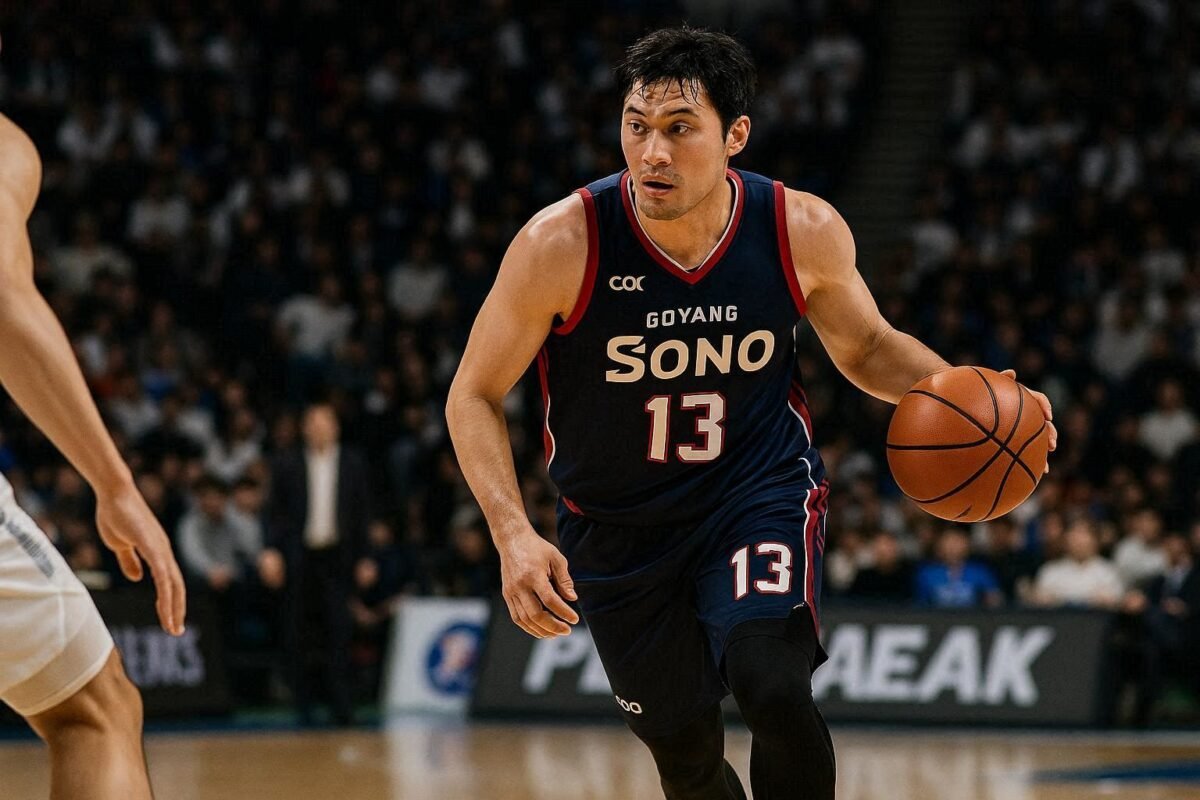
Goyang Sono Skygunners in the KBL Playoffs

Introduction

The Goyang Sono Skygunners’ advancement in the KBL playoffs has drawn attention from new fans in Goyang and beyond. Their success is not only a story of athletic achievement but also an opportunity for beginners to understand how the KBL playoff format works. With rookie players like Kevin Quiambao making a significant impact, the Skygunners’ journey highlights the importance of player development systems in Korean basketball and offers insights into league structures and progression mechanics.

Understanding the KBL Playoff Format

For newcomers to Korean basketball, the playoff format can initially seem complex. The KBL postseason is structured to reward regular-season performance while maintaining competitive drama:

  • Seeds 3 to 6: These teams enter elimination rounds, battling for the right to advance.
  • Top Two Seeds: The first and second-ranked teams from the regular season automatically qualify for the semifinals, giving them a strategic advantage.
  • Progression: Winners from the elimination rounds face the top seeds in the semifinals, with the victors advancing to the finals.

This format ensures that every regular-season game matters, while also giving lower-ranked teams a chance to prove themselves in high-stakes matchups.

For a broader look at how amateur competition formats mirror professional structures, see
Goyang Citizen Sports Festival: Understanding Amateur Competition Formats.

Sono’s Playoff Journey

The Skygunners’ playoff run has been marked by resilience and tactical adaptability. Their ability to navigate elimination rounds demonstrates the depth of their roster and the effectiveness of their coaching staff. Each game has showcased not only athletic skill but also strategic decision-making, from defensive adjustments to offensive rotations.

The Role of Rookie Players

Kevin Quiambao’s emergence as a rookie sensation underscores the importance of player development in the KBL. His contributions in crucial moments highlight how young talent can shift the balance of playoff games. For Sono, integrating rookies into the lineup has provided fresh energy and unpredictability, making them a formidable opponent even against higher-seeded teams.

This emphasis on rookies reflects a broader trend in Korean basketball, where clubs invest heavily in scouting and development to ensure long-term competitiveness.

League Structures and Progression Mechanics

Understanding the KBL’s structure is essential for appreciating the drama of the playoffs. The league operates on a system that balances regular-season performance with postseason opportunity. Teams must manage rosters strategically, balancing veteran leadership with rookie development. Progression mechanics ensure that every stage of the playoffs tests different aspects of team resilience, from endurance in elimination rounds to tactical precision in semifinals and finals.

Fan Engagement and Community Impact

Sono’s playoff success has energized fans in Goyang, creating a surge in community engagement. Local supporters have rallied behind the team, filling arenas and amplifying their presence on social media. This engagement reflects the cultural significance of basketball in Korea, where regional clubs serve as focal points for civic pride and identity.

External references:

Educational Insight: Learning Through Playoffs

For beginners, following Sono’s playoff journey provides a practical education in basketball structures. Observing how teams progress through elimination rounds, how rookies influence outcomes, and how league mechanics shape competition offers valuable insights into professional sports. This educational dimension enriches the fan experience, transforming spectatorship into a deeper understanding of the game.

Challenges Ahead

Despite their success, Sono faces significant challenges. Higher-seeded teams in the semifinals bring experience and tactical depth. Maintaining momentum while integrating rookies requires careful management. Additionally, the pressure of national attention can test the resilience of both players and coaching staff. Overcoming these challenges will determine whether Sono can advance further in the playoffs.

Conclusion

The Goyang Sono Skygunners’ advancement in the KBL playoffs is more than a sports story—it is a lens through which fans can understand league structures, playoff mechanics, and the role of player development in Korean basketball. For new fans in Goyang, this journey offers both excitement and education, highlighting how regional clubs contribute to the national basketball narrative. As Sono continues their playoff run, their success will serve as a case study in resilience, innovation, and the evolving dynamics of professional basketball in Korea.


Goyang Citizen Sports Festival: Understanding Amateur Competition Formats

Introduction

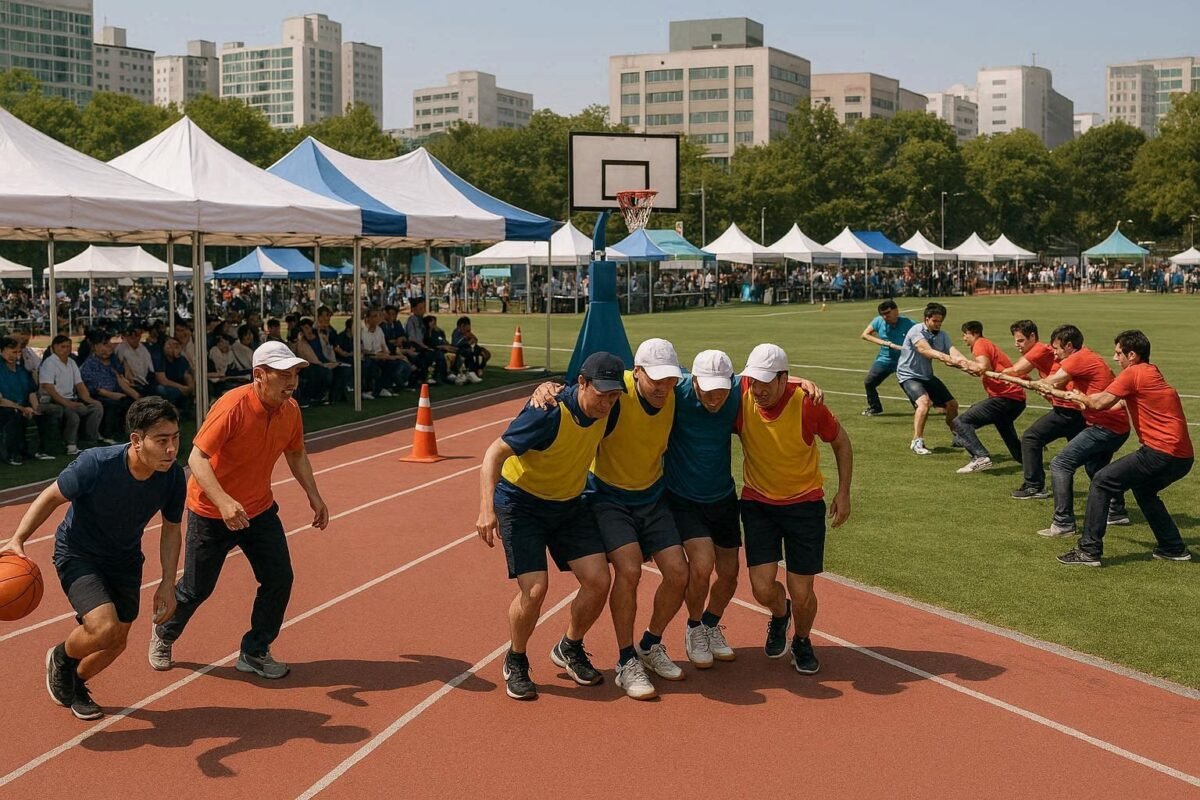
Goyang City has announced expanded participation for its spring Citizen Sports Festival, featuring events in football, basketball, and track. The festival is designed to bring together residents of all ages, encouraging community spirit and healthy competition. Yet many participants and spectators are unfamiliar with how amateur sports competitions are organized. This article provides a beginner-friendly guide to understanding formats, scoring systems, and governance, showing how local events mirror professional structures.

Festival Context

The Citizen Sports Festival is a cornerstone of Goyang’s community calendar. By expanding participation, the city aims to foster inclusivity and ensure that more residents experience the joy of organized sports. Football matches, basketball tournaments, and track events are structured to accommodate varying skill levels, from recreational players to more competitive amateurs. This inclusivity reflects Goyang’s broader commitment to civic engagement through sports.

For readers interested in how sports infrastructure supports these events, see
Korea Football Park Opens in Cheonan: A National Sports Hub.

Beginner Guide: Competition Formats

Understanding competition formats is essential for participants and spectators alike. Amateur sports often adopt structures similar to professional tournaments, ensuring fairness and excitement. The most common formats include:

  • Group Stages: Teams are divided into groups and play round-robin matches. Points are awarded for wins and draws, with top teams advancing.
  • Knockout Rounds: Teams face elimination matches, with winners progressing and losers exiting the competition.
  • Hybrid Formats: Some festivals combine group stages with knockout rounds, ensuring both inclusivity and competitive intensity.

These formats balance participation with competitiveness, allowing more teams to play while ensuring that the strongest advance.

Scoring Systems Explained

Scoring systems vary by sport but share common principles:

  • Football: Wins earn three points, draws one point, and losses zero. Goal difference often serves as a tiebreaker.
  • Basketball: Games are decided by total points scored. Tournament standings may rely on win-loss records and point differentials.
  • Track: Events are timed, with medals awarded based on finishing positions. Team scores may aggregate individual performances.

Understanding these systems helps participants and spectators follow the action and appreciate the strategies involved.

Community-Level Governance

Local sports festivals are governed by committees that establish rules, schedules, and dispute resolution mechanisms. Governance ensures fairness and transparency, mirroring professional sports organizations. In Goyang, community leaders, educators, and volunteers collaborate to manage logistics, from venue preparation to referee assignments.

This governance model emphasizes inclusivity and accountability, ensuring that amateur competitions reflect civic values as much as athletic ones.

Educational Insight: Mirroring Professional Structures

Amateur competitions often mirror professional structures, providing participants with a sense of legitimacy and spectators with familiar excitement. Group stages and knockout rounds are staples of global tournaments like the FIFA World Cup and the Olympics. By adopting these formats, local festivals teach residents about the broader sports ecosystem and foster appreciation for professional competitions.

External references:

Why Formats Matter

Competition formats shape the experience of participants and spectators. Group stages encourage inclusivity, allowing teams to play multiple matches. Knockout rounds heighten drama, with every match carrying high stakes. Hybrid formats balance these elements, ensuring both participation and excitement. For communities, these formats provide structure and predictability, making festivals more engaging and accessible.

Case Study: Football in Goyang

Football tournaments at the Citizen Sports Festival adopt group stages followed by knockout rounds. This ensures that all teams play multiple matches, fostering inclusivity, while also creating dramatic elimination games. The format mirrors professional tournaments, teaching participants about global football structures while providing local excitement.

Case Study: Basketball in Goyang

Basketball competitions often use round-robin formats within groups, followed by semifinals and finals. Point differentials may serve as tiebreakers, encouraging teams to play competitively even in matches where victory seems assured. This structure mirrors professional leagues, teaching participants about the importance of consistency and strategy.

Case Study: Track Events

Track competitions rely on heats, semifinals, and finals. Timed performances determine advancement, ensuring fairness and transparency. This format mirrors global athletics competitions, teaching participants about the importance of precision and consistency. For spectators, track events provide clear, exciting outcomes that highlight individual achievement.

Community Impact

The Citizen Sports Festival strengthens community bonds by providing opportunities for participation, learning, and celebration. Residents gain exposure to competition formats, scoring systems, and governance structures, fostering appreciation for both amateur and professional sports. The festival also promotes health, inclusivity, and civic pride, reinforcing Goyang’s identity as a community that values engagement and education.

Global Lessons

Goyang’s festival reflects global trends in sports governance and engagement. By adopting professional structures, local events teach residents about international sports ecosystems. This alignment fosters cultural literacy, helping communities understand how local participation connects to global practices.

External references:

Conclusion

The Goyang Citizen Sports Festival offers more than competition—it provides education in how amateur sports mirror professional structures. By explaining formats, scoring systems, and governance, the festival helps residents understand the broader sports ecosystem. For participants, this knowledge enhances engagement; for spectators, it enriches appreciation. For the community, it reinforces civic identity and global literacy.

As Goyang expands participation, the Citizen Sports Festival will continue to serve as a model for how local events can combine competition, education, and community engagement. By embedding professional structures into amateur contexts, the festival ensures that residents not only play but also learn, connecting local identity to global sports culture.

Olympic Broadcasting Debate: Why Coverage Rights Matter

Introduction: A National Conversation

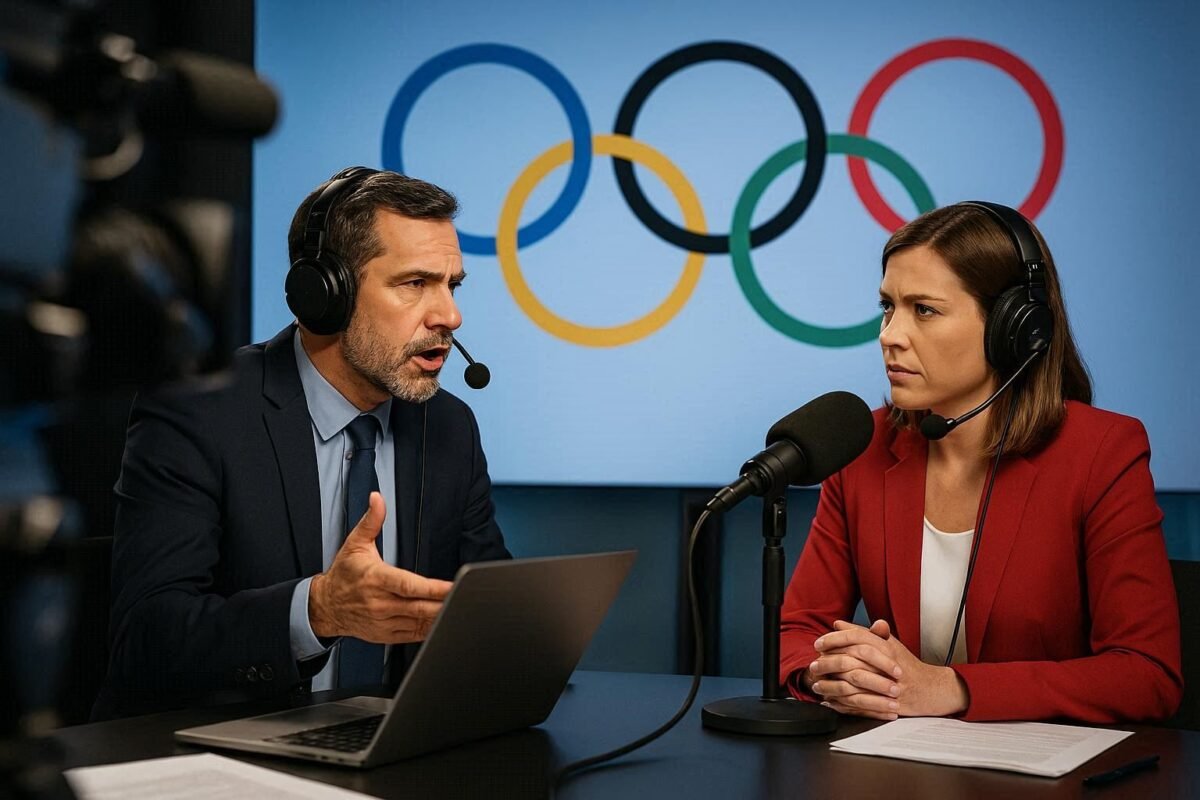
As the Milano Cortina 2026 Winter Olympics approach, South Korea finds itself in the middle of a heated debate. Lawmakers and civic groups are questioning why there will be no terrestrial television coverage of the Games, breaking a decades-long tradition of free Olympic broadcasts.

For many fans, especially in Goyang and across Gyeonggi-do, the issue is confusing. Why can’t they simply turn on their TV and watch? Why are exclusive contracts limiting access? And what exactly are “broadcasting rights”?

This article offers a beginner’s guide to broadcasting rights, explaining how they are sold, why they matter, and how media law and industry structures shape what audiences can watch.

What Are Broadcasting Rights?

Broadcasting rights are legal permissions granted to media companies to show an event. For global spectacles like the Olympics, the International Olympic Committee (IOC) sells these rights to broadcasters in each country.

  • Exclusive Rights: A single company pays for the right to show the Games, often through streaming platforms or pay-TV.
  • Shared Rights: Multiple broadcasters share coverage, sometimes including free-to-air channels.
  • Terrestrial Rights: Traditional free television channels that anyone can access with an antenna.

In Korea, terrestrial broadcasters historically carried the Olympics, ensuring universal access. But for Milano Cortina 2026, exclusive contracts with paid platforms mean free-to-air audiences are excluded.

Why Rights Are Sold

The IOC and event organizers sell broadcasting rights to generate revenue. These funds support athlete programs, infrastructure, and the Games themselves.

  • Global Scale: The Olympics are one of the most expensive events to stage. Broadcasting rights are the largest source of income.
  • Market Value: Rights are sold for billions worldwide, reflecting the demand for live sports.
  • National Deals: Each country negotiates separately, meaning access varies depending on local contracts.

For fans, this means that whether you can watch depends not on the Games themselves, but on who owns the rights in your country.

Free-to-Air vs. Paid Streaming

The debate in Korea highlights the difference between free-to-air and paid streaming:

  • Free-to-Air (FTA): Traditional TV channels accessible to anyone with a television. No subscription required. Historically, this ensured universal access to major cultural events.
  • Paid Streaming: Online platforms or cable channels that require subscriptions. These offer flexibility and digital features but limit access to those who can pay.

For Goyang fans, the lack of free-to-air coverage means the Olympics shift from a shared national experience to a segmented, subscription-based one.

Why Exclusive Contracts Limit Access

Exclusive contracts mean only one company can show the Games. While this maximizes revenue for organizers, it restricts public access.

  • Economic Barriers: Fans must pay for subscriptions, excluding those who cannot afford them.
  • Cultural Impact: The Olympics lose their role as a universal cultural event.
  • Trust Issues: Audiences expect regulators to protect access to events of national significance.

This is why lawmakers and civic groups argue that exclusive contracts undermine fairness and cultural equity.

Media Law and Regulation

Broadcasting rights are not just business deals—they are shaped by media law.

  • Broadcasting Act (Korea): Governs how rights are acquired and distributed. Currently, it allows exclusive contracts without requiring free-to-air coverage.
  • Listed Events Policies (International): In countries like the UK and Australia, certain events (Olympics, World Cup) must be shown on free television.
  • Policy Debate in Korea: Lawmakers are considering reforms to classify the Olympics as a “public good,” requiring at least partial free-to-air coverage.

For new fans, this shows how law directly shapes what you can watch at home.

Beginner’s Guide: How Rights Work

To simplify:

  1. Organizers Sell Rights: The IOC sells Olympic rights to broadcasters.
  2. Broadcasters Pay: Companies bid for exclusive or shared contracts.
  3. Access Depends on Contracts: If a free-to-air channel wins, everyone can watch. If a streaming platform wins, only subscribers can.
  4. Law Shapes Deals: Regulations can require free coverage or allow exclusivity.

Understanding this process helps fans see why coverage varies across countries.

Educational Insight: Why It Matters for Goyang

For Goyang readers, the broadcasting debate is more than a technical issue—it’s about cultural participation.

  • Equity: Free-to-air ensures everyone can share the Olympic experience.
  • Community: Watching together builds local and national identity.
  • Digital Literacy: Understanding contracts and platforms helps fans navigate modern sports media.
  • Policy Awareness: Recognizing how law shapes access empowers citizens to demand fairness.

The Olympics are not just games; they are cultural rituals. Broadcasting rights determine who gets to join. For a broader look at how sports infrastructure is evolving nationally, see Korea Football Park Opens in Cheonan: A National Sports Hub.

International Comparisons

Other countries offer models Korea could consider:

  • United Kingdom: The Broadcasting Act requires free coverage of listed events, including the Olympics. Ofcom Listed Events Guidance
  • Australia: The Anti-Siphoning List ensures culturally significant sports are available on free TV before pay-TV providers can bid. Australian Communications and Media Authority
  • Germany: Public broadcasters are guaranteed rights to major tournaments, reflecting universal access principles.

These examples show how regulation can balance commercial interests with public rights.

Civic Groups and Public Pressure

Civic groups in Korea argue that exclusive contracts undermine cultural rights. They call for stronger government intervention, framing the issue as cultural justice rather than mere entertainment.

Public petitions and media campaigns amplify the debate, showing that citizens care deeply about access to shared cultural events.

Broader Implications: Sports, Media, and Democracy

The broadcasting debate reflects broader questions about media and democracy.

  • Commodification: Without safeguards, cultural goods become commodities, accessible only to those who can pay.
  • Democracy: Universal access to cultural events reflects democratic values of inclusion.
  • Identity: Shared broadcasts reinforce national identity and pride.

For Korea, the challenge is to balance commercial realities with democratic principles.

Conclusion: Why Coverage Rights Matter

The absence of terrestrial coverage for the Milano Cortina 2026 Winter Olympics has sparked a national debate. For beginners, understanding broadcasting rights explains why access is limited and why contracts matter.

Free-to-air versus paid streaming is not just a technical distinction—it is a cultural and democratic issue. For Goyang readers, the lesson is clear: broadcasting rights shape who participates in national rituals, how communities connect, and what it means to share in the Olympic spirit.

As lawmakers and civic groups push for reform, the future of Olympic broadcasting in Korea will determine whether the Games remain a universal cultural event or become a subscription-only spectacle.

KBO Opening Week: How Baseball Seasons Are Structured

Introduction: Baseball Returns, Fans Ask Questions

The 2026 Korea Baseball Organization (KBO) season opened this week with strong attendance and digital engagement across Gyeonggi-do clubs like KT Wiz and nearby fan bases in Goyang. Stadiums buzzed with excitement, streaming platforms reported spikes in viewership, and social media lit up with highlight clips.

Yet alongside the enthusiasm, many new fans—especially those drawn in by digital platforms—are asking a simple but important question: how does the KBO season actually work? Why do teams play so frequently? How are standings calculated? And what does it take to reach the playoffs?

This article offers a beginner’s guide to the KBO’s structure, explaining the 144-game season, playoff qualification, and statistical basics in plain language. For Goyang readers, it’s a roadmap to following the season from opening week to the Korean Series.

The Basics: 144 Games Per Team

The KBO regular season is long and demanding. Each of the 10 teams plays 144 games, spread across roughly six months (April to October). That means teams are on the field almost every day, with only occasional rest days.

Why so many games? Baseball is designed as a series sport. Unlike soccer or basketball, where one game can define a week, baseball relies on repetition. Frequent games balance out luck and highlight consistency. Over 144 contests, the strongest teams rise to the top, while weaker teams are exposed.

The Schedule: Series Play

Games are organized into series, usually three-game sets against the same opponent. For example, KT Wiz might host the LG Twins for three consecutive nights, then travel to face the NC Dinos for another series.

This format allows fans to follow mini-rivalries and storylines. A pitcher might face the same lineup twice in a week, while hitters adjust to opposing strategies. For Goyang-area fans, it means you can plan around clusters of games rather than single events.

Standings: Wins and Losses

At its core, standings are determined by wins and losses. Each victory adds to a team’s win column, while each defeat adds to the loss column.

  • Winning Percentage: The key metric is winning percentage, calculated as wins divided by total games played. For example, a team with 72 wins and 72 losses has a .500 record.
  • Tiebreakers: If teams finish with the same record, head-to-head results and run differential (the difference between runs scored and runs allowed) can be used as tiebreakers.

For new fans, think of winning percentage as the simplest way to measure success: above .500 means winning more than losing, below .500 means the opposite.

Playoff Qualification: The Road to the Korean Series

The KBO postseason is one of the most exciting in Asian sports. Here’s how it works:

  1. Top 5 Teams Qualify: Out of 10 clubs, the top five in the standings advance to the playoffs.
  2. Wild Card Round: The 4th-place team faces the 5th-place team in a short series. The 4th-place team has an advantage: if they win just one game, they advance. The 5th-place team must win two straight.
  3. Semi-Playoffs and Playoffs: The winner moves on to face the 3rd-place team, then the 2nd-place team. Each round is a best-of-five series.
  4. Korean Series: Finally, the survivor faces the 1st-place team in the Korean Series, a best-of-seven showdown to crown the champion.

This ladder system rewards regular-season performance. Finishing higher in the standings means fewer rounds to play and fresher players for the final.

Statistics: The Language of Baseball

Baseball is famous for its statistics, but beginners only need a few basics to follow the season:

  • Wins (W) and Losses (L): The foundation of standings.
  • Winning Percentage (Pct.): A decimal showing success rate.
  • Runs Scored (RS) and Runs Allowed (RA): How many runs a team scores versus how many they give up.
  • Run Differential (RD): RS minus RA. A positive number suggests strength; a negative number suggests weakness.
  • ERA (Earned Run Average): For pitchers, the average number of runs allowed per nine innings.
  • Batting Average (AVG): For hitters, the percentage of at-bats that result in hits.

For Goyang readers, focusing on wins, losses, and run differential is enough to understand team performance. The deeper stats add flavor but aren’t essential for beginners.

Why Teams Play So Frequently

New fans often wonder why baseball teams play almost daily. The answer lies in tradition and logistics:

  • Tradition: Baseball has always been a daily sport, designed to be part of everyday life.
  • Roster Size: Teams carry large rosters, allowing rotation of pitchers and players.
  • Balance: Frequent games ensure fairness, reducing the impact of luck or one-off performances.

For fans, this means constant action. Unlike sports with weekly schedules, baseball offers something new almost every night. For more on how game length and pace are debated, see KBO Pace-of-Play Rules and Why Games Are Still Long.

Digital Engagement: Following the Season Online

In 2026, digital platforms make it easier than ever to follow the KBO. Streaming services broadcast games live, while apps provide real-time stats and highlights. Social media adds another layer, with fans debating strategies and sharing clips.

For Goyang-area fans, this digital ecosystem means you don’t have to attend every game to stay connected. You can track standings, watch highlights, and join conversations from anywhere. For official updates, see the KBO Official Website and Naver Sports Baseball Coverage.

Educational Insight: Baseball as a Learning Tool

Understanding the KBO season isn’t just about sports—it’s about learning how systems work.

  • Structure: The 144-game schedule teaches consistency and resilience.
  • Math Skills: Calculating winning percentages and run differentials reinforces basic arithmetic.
  • Community: Following standings and playoffs builds shared identity among fans.

For Goyang readers, this beginner’s guide is more than a sports explainer. It’s an invitation to join a cultural ritual that blends math, storytelling, and community pride.

Example: KT Wiz Opening Week

KT Wiz, based in Suwon, opened the season with strong attendance and digital buzz. Fans tracked their early wins and losses, debated pitching rotations, and celebrated highlight plays online.

For beginners, watching KT Wiz’s progress offers a practical way to learn the system. Each win adds to their record, each loss subtracts, and their place in the standings shifts accordingly. By October, their journey will determine whether they reach the playoffs.

Broader Context: Baseball in Gyeonggi-do

Gyeonggi-do clubs like KT Wiz and nearby fan bases in Goyang illustrate how regional identity shapes baseball culture. Stadiums serve as gathering places, while digital platforms extend engagement beyond physical attendance.

For new fans, understanding the season’s structure helps connect local pride to national competition. The KBO is not just about games—it’s about how communities like Goyang participate in a shared narrative.

Conclusion: From Opening Week to the Korean Series

The 2026 KBO season has begun, and fans across Gyeonggi-do are already immersed in the action. For beginners, understanding the 144-game schedule, standings, and playoff format is the key to following the journey from April to October.

Wins and losses build the story, run differentials add context, and playoff qualification provides the drama. For Goyang readers, this guide offers the tools to enjoy the season fully—whether cheering at the stadium, streaming online, or debating stats with friends.

Baseball is more than a sport; it’s a structured narrative that unfolds daily. By learning how the season works, new fans can join the conversation and experience the joy of following their team from opening week to the Korean Series.

Korea Football Park Opens in Cheonan: A National Sports Hub

Introduction

South Korea has taken a bold step in shaping the future of its football culture with the opening of the Korea Football Park in Cheonan. Envisioned as a landmark for the next 100 years of Korean football, the facility is designed to serve as a centralized hub for training, matches, and youth development (Korea Football Association).

For beginners, understanding what a football hub means is essential. It’s not just a stadium—it’s a comprehensive infrastructure that supports league systems, player development, and fan engagement. The Cheonan project reflects how sports infrastructure underpins competition formats, from grassroots academies to professional leagues, while also connecting communities across the country.

What a Football Hub Means

A football hub is more than a venue—it’s a multi-purpose ecosystem that integrates different aspects of the sport:

  • Training Facilities: Modern gyms, practice pitches, and rehabilitation centers for players at all levels.
  • Match Venues: Stadiums designed for domestic league games, youth tournaments, and international friendlies.
  • Youth Academies: Dedicated spaces for nurturing young talent, with coaching programs aligned to national standards.
  • Community Spaces: Areas for fans, families, and local residents to engage with football culture.

By centralizing these elements, Korea Football Park ensures that football development is streamlined, efficient, and accessible.

Why It Matters

The opening of Korea Football Park is significant for several reasons:

  1. League Systems: Infrastructure supports the K League and lower divisions, providing standardized facilities for matches and training (K League Official).
  2. Player Development: Youth academies and training centers create pathways from grassroots football to professional careers.
  3. Fan Engagement: Modern stadiums and community spaces enhance the spectator experience, making football more inclusive.
  4. National Identity: A landmark facility symbolizes Korea’s commitment to football as a cultural and sporting pillar.

For fans, the hub represents a tangible investment in the future of the sport, ensuring that Korea remains competitive on the global stage.

Beginner Guide: How Infrastructure Supports Football

For new fans, it’s important to understand how infrastructure underpins football competition formats:

  • Youth Academies: These programs identify and train young players, teaching them technical skills and tactical awareness.
  • League Systems: Facilities allow clubs to host matches across divisions, ensuring consistency in competition.
  • National Teams: Centralized hubs provide training grounds for national squads, preparing them for international tournaments.
  • Fan Culture: Stadiums and community spaces foster engagement, creating environments where fans can connect with the sport.

Without infrastructure, football systems struggle to function. Korea Football Park demonstrates how investment in facilities strengthens every layer of the game.

Educational Takeaway: Infrastructure and Competition Formats

Sports infrastructure is the backbone of competition formats. Here’s how it works:

  1. Grassroots to Professional Pathways: Youth academies feed into club systems, which then connect to national leagues.
  2. Standardization: Centralized facilities ensure consistent training and match conditions.
  3. Integration: Infrastructure links different levels of competition, from local tournaments to international fixtures.
  4. Sustainability: Long-term investment in facilities ensures the sport’s growth over decades.

For readers, this highlights the importance of infrastructure in shaping not just games, but entire sporting cultures.

Regional Relevance: Cheonan and Beyond

Cheonan, located in Chungcheong Province, is now home to Korea Football Park. While the hub is national in scope, its impact extends to regions like Gyeonggi-do, including cities such as Goyang:

  • Accessibility: Fans from Goyang and other Gyeonggi communities will travel to Cheonan for matches and events.
  • Cultural Connection: The hub strengthens ties between regions, creating a shared national football identity.
  • League Structures: Clubs across Korea benefit from standardized facilities, influencing competition formats in Gyeonggi-do.
  • Youth Development: Young players from Goyang can access pathways that connect them to national academies.

The hub’s national role ensures that communities across Korea, including Gyeonggi-do, see long-term impacts on football culture. For Goyang readers, this connects to broader sports education themes, such as learning tournament structures in golf (Goyang Insider). Together, these examples show how infrastructure and competition formats shape fan understanding across different sports.

Industry Trend: Football Infrastructure as Cultural Investment

Globally, football hubs are becoming central to sports development:

  • Europe: Clubs like Barcelona and Bayern Munich invest heavily in training centers and academies (FC Barcelona La Masia (fcbarcelona.com in Bing)).
  • Asia: Japan and China have built national football centers to support player development (AFC News).
  • Korea: The Cheonan hub positions Korea alongside these nations, emphasizing infrastructure as a cultural investment.

This trend reflects how football is more than a sport—it’s a social and cultural institution supported by long-term planning.

Fan Engagement and Community Impact

Football hubs also reshape fan engagement:

  • Modern Stadiums: Enhanced seating, digital screens, and interactive experiences improve match-day atmospheres.
  • Community Programs: Facilities host events, workshops, and grassroots tournaments.
  • Digital Integration: Wi-Fi zones and apps allow fans to access live stats, replays, and interactive content.
  • Cultural Spaces: Cafes, museums, and fan zones create environments where football culture thrives.

For fans in Cheonan, Goyang, and beyond, Korea Football Park becomes a destination for both sport and community.

Challenges Ahead

Despite its promise, Korea Football Park faces challenges:

  • Maintenance Costs: Sustaining facilities requires significant investment.
  • Accessibility: Ensuring equal access for communities across Korea is essential.
  • Youth Integration: Aligning academies with league systems requires careful planning.
  • Global Competitiveness: Infrastructure must translate into success on the international stage.

Addressing these challenges will be key to realizing the hub’s vision for the next 100 years.

Educational Framework for Readers

To analyze Korea Football Park’s role, readers can apply this framework:

  1. Identify Stakeholders: Players, clubs, fans, and governing bodies.
  2. Understand Goals: Development, competition, engagement, and national identity.
  3. Evaluate Tools: Facilities, academies, stadiums, and community programs.
  4. Assess Impact: How infrastructure influences league systems, player pathways, and fan culture.

This framework empowers readers to critically engage with the role of infrastructure in sports.

Future Outlook

Looking ahead, Korea Football Park will shape football in several ways:

  • Youth Development: Academies will produce new generations of talent.
  • League Growth: Standardized facilities will strengthen domestic competitions.
  • National Success: Centralized training will support Korea’s international ambitions.
  • Cultural Integration: Fans across Korea will connect through shared experiences at the hub.

The facility’s vision for the next 100 years ensures that football remains a cornerstone of Korean culture.

Conclusion

The opening of Korea Football Park in Cheonan marks a defining moment for Korean football. As a national hub, it centralizes facilities for training, matches, and youth development, reflecting how infrastructure supports league systems, player pathways, and fan engagement.

For beginners, the hub provides an educational case study in how sports infrastructure underpins competition formats, from grassroots academies to professional leagues. For regions like Goyang in Gyeonggi-do, the hub’s national role ensures long-term impacts on football culture and league structures.

As Korea looks ahead to the next century of football, Cheonan’s landmark facility stands as both a symbol of ambition and a foundation for sustainable growth.

Two Korean Golfers at the Masters: Understanding Tournament Structure

Introduction

The Masters Tournament, held annually at Augusta National Golf Club in Georgia, is one of the most prestigious events in golf (The Masters Official Site). This year, Korean golfers Kim Si-woo and Im Sung-jae are set to compete, continuing a tradition of Korean representation at the Masters that dates back to 2003. Their participation not only highlights Korea’s growing presence in global golf but also provides an opportunity for new fans to learn how major golf tournaments are structured.

For beginners, understanding the basics of the Masters—its format, scoring system, and qualification pathways—offers valuable insight into how professional golf operates at the highest level.

Tournament Basics: Stroke Play and the Cut

The Masters is a four-round stroke-play event, meaning players compete over 72 holes across four days. Stroke play is the most common format in professional golf, where the total number of strokes taken determines a player’s score (USGA Rules of Golf (usga.org in Bing)).

  • Rounds: Each round consists of 18 holes, played Thursday through Sunday.
  • Scoring: Players aim to complete each hole in as few strokes as possible. Scores are cumulative, with the lowest total after four rounds winning.
  • The Cut: After two rounds (36 holes), the field is reduced. Only the top 50 players (including ties) advance to the weekend rounds.

For new fans, the cut is a critical concept—it explains why some players don’t appear in later rounds and highlights the pressure of performing well early.

Why the Masters Matters

The Masters is one of golf’s four major championships, alongside the U.S. Open, The Open Championship, and the PGA Championship (PGA Tour Majors Overview). Winning a major is considered the pinnacle of a golfer’s career.

  • Prestige: The Masters is unique for its traditions, including the awarding of the iconic green jacket to the champion.
  • Global Representation: Korea has had at least one player in the Masters since 2003, reflecting the country’s growing influence in golf.
  • Legacy: Success at Augusta often defines careers, with past champions remembered as legends of the sport.

For Korean fans, seeing Kim Si-woo and Im Sung-jae compete is a source of national pride and a sign of Korea’s integration into golf’s global stage.

Scoring Systems Explained

Golf scoring can be confusing for beginners, but the Masters provides a clear example of how it works:

  • Par: Each hole has a designated number of strokes (par) considered standard.
  • Birdie: One stroke under par.
  • Eagle: Two strokes under par.
  • Bogey: One stroke over par.
  • Double Bogey: Two strokes over par.

At the Masters, Augusta National’s par is 72. A player who scores 70 in a round is two under par (-2). Scores are tracked relative to par, making it easy to compare performances (Golf Digest Beginner’s Guide).

Qualification Pathways

Not every professional golfer can play in the Masters. Entry is limited to an elite field, with several qualification routes Masters Qualification Criteria:

  • Past Champions: Lifetime invitations for previous Masters winners.
  • Major Winners: Recent winners of other majors.
  • Top Rankings: Leading players in the Official World Golf Ranking.
  • Tour Victories: Winners of PGA Tour events in the preceding year.
  • Special Invitations: Occasionally extended to international players.

Kim Si-woo and Im Sung-jae qualified through their world rankings and consistent performances on the PGA Tour, showcasing Korea’s depth of talent.

Korea’s Presence at the Masters

Korea’s history at the Masters began with Choi Kyung-ju (K.J. Choi) in 2003. Since then, Korean golfers have steadily increased their presence:

  • Yang Yong-eun (Y.E. Yang): Famous for winning the 2009 PGA Championship, the first Asian-born male golfer to win a major.
  • Im Sung-jae: Finished runner-up at the 2020 Masters, one of Korea’s best results at Augusta.
  • Kim Si-woo: Known for his victory at The Players Championship in 2017, one of golf’s most prestigious non-major events.

Their participation reflects Korea’s growing golf culture and the country’s ability to produce world-class athletes.

Educational Takeaway: Learning Tournament Structures

For new fans, the Masters provides a perfect case study in how golf tournaments are organized:

  1. Format: Four rounds of stroke play, cumulative scoring.
  2. Cut: Field reduced after two rounds, intensifying competition.
  3. Scoring: Relative to par, with birdies and bogeys shaping outcomes.
  4. Qualification: Limited to elite players through rankings, victories, and invitations.

Understanding these basics allows fans to follow the action more closely and appreciate the skill required to succeed.

Regional Relevance: National Context for Korean Fans

While not specific to Goyang or any single city, the participation of Korean athletes in the Masters provides national context for readers learning about international sports structures.

  • National Pride: Seeing Korean golfers compete at Augusta reinforces Korea’s presence in global sports.
  • Educational Value: Fans in Korea can learn how international tournaments operate, broadening their understanding of sports beyond domestic leagues.
  • Community Engagement: Coverage of Korean athletes at the Masters fosters discussion and excitement across the country.

For Goyang readers, this connects to broader sports regulation and engagement themes, such as baseball’s pace-of-play debates that shape fan experiences (Goyang Insider). Together, these examples show how understanding sports structures—whether in golf or baseball—helps fans appreciate the rhythms of competition.

Industry Trend: Golf’s Globalization

The Masters also reflects broader industry trends:

  • Global Participation: Players from Asia, Europe, and beyond compete alongside Americans.
  • Digital Engagement: Fans worldwide follow the tournament through live streaming, apps, and social media (ESPN Golf Coverage).
  • Cultural Integration: Golf is increasingly seen as a global sport, with diverse champions shaping its narrative.

Korea’s consistent representation highlights how the sport has expanded beyond traditional strongholds, creating new opportunities for athletes and fans.

Challenges for Korean Golfers

Competing at Augusta is no easy task. Challenges include:

  • Course Difficulty: Augusta National is renowned for its fast greens and strategic layout.
  • Pressure: The Masters’ prestige creates immense psychological pressure.
  • Weather and Conditions: Variable conditions can affect play, requiring adaptability.

Kim Si-woo and Im Sung-jae must navigate these challenges while representing Korea on the global stage.

Future Outlook

Looking ahead, Korea’s presence at the Masters is likely to grow:

  • Youth Development: Korea’s junior golf programs are producing talented players.
  • Global Tours: Korean golfers increasingly compete on the PGA and DP World Tours.
  • Cultural Impact: Success at majors inspires new generations of fans and athletes.

The Masters will remain a benchmark for Korean golfers, offering opportunities to showcase their skills and elevate Korea’s profile in global golf.

Conclusion

The participation of Kim Si-woo and Im Sung-jae in the Masters highlights Korea’s growing presence in global golf. For new fans, the tournament provides an educational opportunity to learn how major golf events are structured—from stroke play and scoring systems to qualification pathways.

While not tied to a single city like Goyang, the national significance of Korean athletes competing at Augusta connects local communities to international sports. As Korea continues to produce world-class golfers, the Masters will remain a stage where national pride and global competition intersect.

For beginners, understanding the structure of the Masters is the first step toward appreciating the drama, skill, and tradition that make it one of the most prestigious tournaments in the world.

KBO Pace-of-Play Rules and Why Games Are Still Long

Introduction

The Korea Baseball Organization (KBO) entered the 2026 season with a clear mission: shorten game times and modernize baseball for fans. Inspired by reforms in Major League Baseball (MLB), the KBO introduced new pace-of-play rules designed to reduce downtime. These included limits on mound visits, stricter enforcement of pitch clocks, and tighter regulations on batter readiness.

The expectation was simple: faster games, more excitement, and a product better suited to modern audiences. Yet early reports show that matches are still running long, often exceeding three hours. The culprit? Increased walks and extended innings, which add time regardless of pace rules.

For fans in Goyang and across Gyeonggi-do, this situation provides a valuable entry-level lesson in baseball’s structure: rules can change the rhythm, but the game’s length is ultimately dictated by outs, innings, and walks.

Beginner Guide: What Pace-of-Play Means

For new fans, “pace-of-play” refers to the speed and rhythm of a baseball game. It is not about the total number of innings (which is fixed at nine in regulation play) but about how quickly those innings progress.

Common pace-of-play rules include:

  • Pitch clocks: Timers that limit how long pitchers can take between pitches.
  • Batter readiness rules: Batters must be in the box and ready to hit within a set time.
  • Mound visit limits: Teams can only visit the pitcher’s mound a certain number of times per game.
  • Quick substitutions: Rules that encourage faster changes between pitchers or batters.

These measures aim to reduce idle time, keeping fans engaged and broadcasts efficient.

Why Games Remain Long

Despite these reforms, KBO games are still running long. The main reasons are structural:

  1. Walks (Base on Balls):
    • When pitchers throw four balls outside the strike zone, the batter advances to first base.
    • Walks extend at-bats, increase baserunners, and prolong innings.
    • Under time pressure, pitchers often become cautious, nibbling at the edges of the strike zone, which ironically leads to more walks.
  2. Extended Innings:
    • Baseball has no game clock. Each inning requires three outs per team.
    • If pitchers struggle or defenses falter, innings can stretch far beyond expectations.
    • Extra innings (when games are tied after nine) add even more time.
  3. Game Structure:
    • Outs, innings, and walks are fundamental to baseball.
    • Unlike basketball or soccer, where a clock dictates length, baseball’s duration depends on how efficiently outs are recorded.

This shows why external regulations can only do so much. Baseball’s DNA ensures that game length is tied to play outcomes, not just pace rules.

Educational Takeaway: Structure Over Regulation

For fans, the key lesson is that rule changes don’t always produce immediate results.

  • Baseball’s rhythm: Outs and innings dictate length more than external rules.
  • Walks matter: Even with faster pitch clocks, cautious pitching can prolong games.
  • Patience required: Reforms take time to influence player behavior and league culture.

Understanding this helps new fans appreciate why baseball remains unique among sports: its length is flexible, shaped by play rather than a ticking clock.

Case Study: Early Season Games

Reports from early-season KBO games illustrate the paradox:

  • Shorter pauses: Pitchers deliver faster, and batters step in more quickly.
  • Longer innings: Walks and extended counts offset the saved time.
  • Fan experience: Some fans enjoy the quicker tempo between pitches, while others notice that overall game length remains unchanged.

This case study highlights how reforms can alter rhythm without reducing duration, offering fans a practical example of baseball’s complexity.

Regional Relevance: Goyang and Gyeonggi-do

For residents of Goyang and the broader Gyeonggi-do region, the pace-of-play debate is not abstract. Local fans following KBO teams, especially KT Wiz in nearby Suwon, are experiencing these changes firsthand.

  • Stadium culture: Fans adjust their routines, with shorter breaks between pitches but similar overall game lengths.
  • Community identity: Baseball remains a social ritual, with long games serving as opportunities for extended gatherings.
  • Educational relevance: For Goyang residents, this situation provides a beginner-friendly example of how league rules interact with game structure, showing that reforms cannot override baseball’s fundamentals.

This regional perspective also connects to broader sports education, such as understanding K League playoff formats. Together, these resources help fans in Goyang see how league rules and structures shape the rhythm of sports, whether in baseball or football.

Historical Perspective: Baseball’s Pace Debate

The debate over baseball’s length is global.

  • MLB reforms: In 2023, MLB introduced pitch clocks, reducing average game times by 20–30 minutes (MLB.com (mlb.com in Bing) (bing.com in Bing)).
  • KBO context: Korea’s league adopted similar reforms, but cultural differences mean fans often value the social aspect of long games.
  • Tradition vs. modernization: Efforts to shorten games must balance efficiency with the communal rituals that define baseball culture.

This historical perspective shows that pace-of-play reforms are part of a broader conversation about how sports adapt to modern audiences.

Broader Implications: Regulation as Cultural Force

The KBO’s reforms highlight a broader truth: regulation is not just about efficiency; it is a cultural force.

  • Fan trust: Audiences must believe that reforms enhance rather than diminish the game.
  • Behavioral shifts: Regulation changes how fans interact with each other, with stadiums, and with broadcasts.
  • Cultural identity: In Korea, baseball is more than sport; it is a social ritual. Altering its rhythm reshapes cultural identity.

These implications underscore why pace-of-play reforms must be evaluated not only in terms of minutes saved but in terms of cultural resonance.

Beginner Guide: How Fans Can Understand Game Length

For new fans, here are simple ways to understand why baseball games run long:

  • Three outs per inning: Each team must record three outs before switching sides.
  • Nine innings minimum: Games last nine innings, but extra innings are added if tied.
  • Walks and hits: More baserunners mean longer innings.
  • Pitching strategy: Cautious pitching can extend at-bats, adding time.

By learning these basics, fans can appreciate why baseball’s length is flexible and why reforms may not immediately shorten games.

Conclusion

The KBO’s pace-of-play rules were designed to shorten games and modernize baseball. Yet early reports show that matches remain lengthy, with increased walks and extended innings offsetting the intended efficiency.

For fans, especially those in Goyang and Gyeonggi-do, the educational takeaway is clear: baseball’s structure — outs, innings, and walks — dictates game length more than external regulations.

This beginner-friendly lesson helps new audiences understand that reforms may change rhythm but not duration, reinforcing baseball’s identity as a sport where patience, strategy, and unpredictability define the experience.