

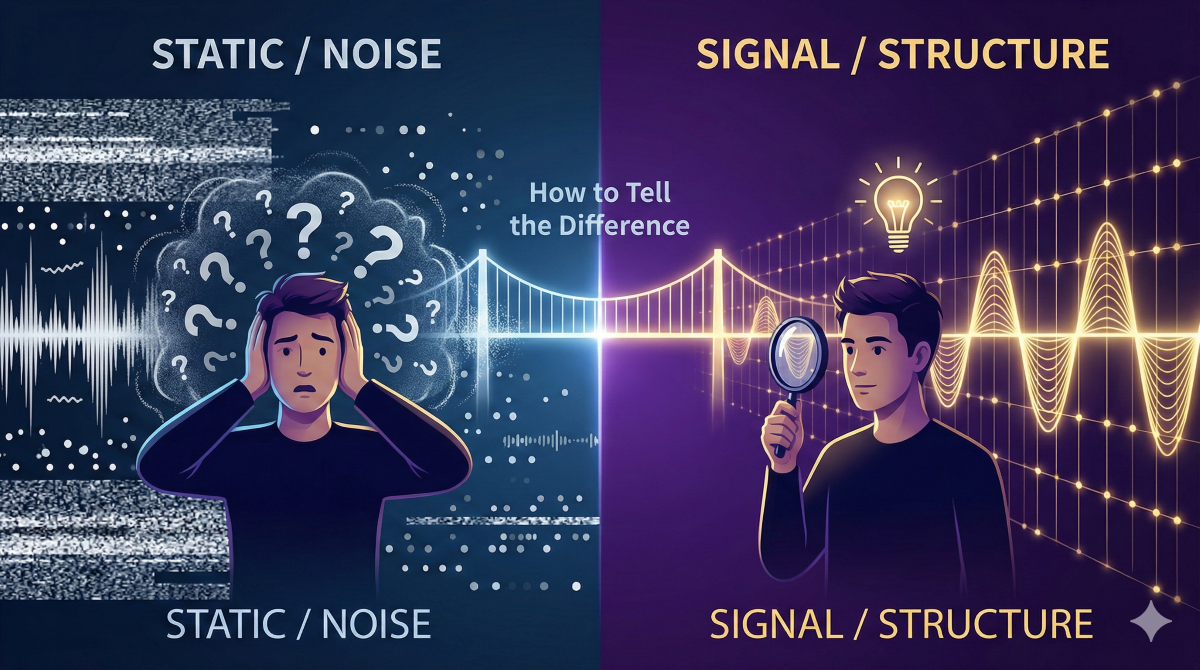



Why Disengagement Fails Even When Motivation Exists
Difficulty stopping an activity is commonly explained through personal shortcomings. People are told they lack discipline, focus, or self-control. This explanation feels intuitive because it places responsibility on individual choice. However, it fails to account for how many modern systems are actually designed.
In reality, stopping is often difficult not because of weak willpower, but because the structure of the system makes continuation easier than disengagement. When systems are built so that activity persists by default, stopping becomes an active task rather than a natural outcome. This perspective is explored in depth in this Additional information, which argues that disengagement is a matter of design architecture rather than personal willpower.
What Stopping Actually Requires
Stopping is not a single action. It is a sequence of conditions that must align at the same time. For disengagement to occur, a system must allow:
Recognition that stopping is desirable
A clear and visible exit point
Low friction to disengage
No immediate penalty for stopping
Absence of automatic continuation
If even one of these elements is missing, stopping becomes difficult regardless of motivation. Willpower can initiate intent, but it cannot compensate for structural resistance indefinitely.
Why Continuation Becomes the Default
Many modern systems are built so that doing nothing results in continued engagement. This design choice shifts effort away from continuation and places it on stopping. Common structural features that favor continuation include automatic progression from one state to the next, endless endpoints, and continuous availability without closure. In such environments, continuation requires no decision, while stopping requires conscious interruption.
Cost Asymmetry Between Continuing and Stopping
A central structural issue is cost asymmetry. Continuing often carries little immediate cost, while stopping introduces short-term friction. Stopping may involve loss of momentum, interruption of feedback loops, or emotional discomfort from breaking continuity. When costs are uneven, behavior follows the path of least resistance. This is not a failure of resolve, but a predictable response to incentive structure.
Decision Fatigue and Cognitive Load
Stopping demands cognitive effort. It requires evaluation, justification, and sometimes emotional regulation. Continuation, by contrast, often bypasses deliberation entirely. In systems defined by rapid feedback and repeated micro-choices, cognitive resources are steadily depleted. As decision fatigue accumulates, default behaviors dominate. This is closely tied to how small, repeated actions quietly replace conscious choice over time, a mechanism explored further in Related article.
Why Willpower-Based Explanations Fall Short
Willpower assumes that stopping is equally accessible at any moment. Structurally, this is rarely true. If stopping requires more steps than continuing or interrupts reinforcement, then willpower must be applied repeatedly, not once. Structural pressure accumulates, while personal effort remains finite. This explains why people can sincerely want to stop and still continue.
Delayed Feedback and the Absence of Stopping Signals
Another structural barrier is delayed feedback. Systems often postpone the signals that would normally prompt disengagement. Examples include gradual fatigue instead of immediate discomfort and diffuse consequences instead of clear boundaries. Without visible stopping cues, engagement continues through inertia rather than intention.
The Role of Incremental Continuation
Continuation rarely appears as a long commitment. Instead, it advances through small extensions:
One more interaction
One more cycle
One more update
Each extension feels insignificant, but collectively they erase clear endpoints. When boundaries disappear, stopping becomes ambiguous—and ambiguity favors continuation.
Structural Framing Versus Moral Framing
Moral framing asks why individuals fail to stop, whereas structural framing asks why stopping is difficult in the first place. Structural analysis focuses on defaults, exit availability, and feedback timing. This shift removes blame from individuals and places responsibility on system design. Recent 2024 behavioral research emphasizes that habit persistence is strongly shaped by environmental defaults and friction rather than motivation alone, a conclusion highlighted in the APA Monitor on Psychology’s 2024 review.
Summary
Stopping fails because systems are structured so that continuation is effortless and disengagement is costly. When continuation is automatic and stopping requires effort, behavior stabilizes around persistence. This outcome is structural, not psychological. Stopping is not simply the reverse of starting; it requires visible endpoints and intentional friction.