

Introduction: A National Conversation
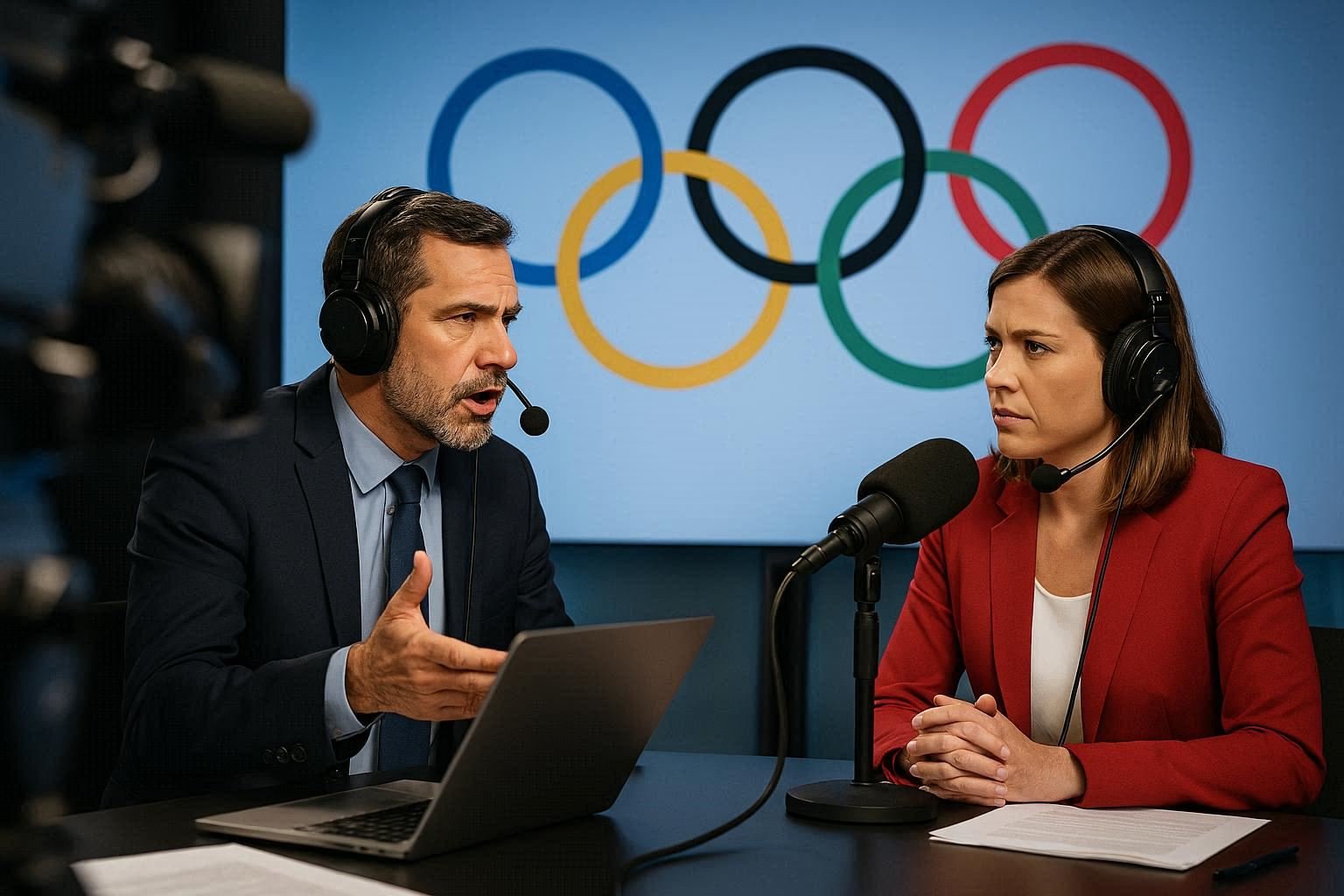
As the Milano Cortina 2026 Winter Olympics approach, South Korea finds itself in the middle of a heated debate. Lawmakers and civic groups are questioning why there will be no terrestrial television coverage of the Games, breaking a decades-long tradition of free Olympic broadcasts.
For many fans, especially in Goyang and across Gyeonggi-do, the issue is confusing. Why can’t they simply turn on their TV and watch? Why are exclusive contracts limiting access? And what exactly are “broadcasting rights”?
This article offers a beginner’s guide to broadcasting rights, explaining how they are sold, why they matter, and how media law and industry structures shape what audiences can watch.
What Are Broadcasting Rights?
Broadcasting rights are legal permissions granted to media companies to show an event. For global spectacles like the Olympics, the International Olympic Committee (IOC) sells these rights to broadcasters in each country.
- Exclusive Rights: A single company pays for the right to show the Games, often through streaming platforms or pay-TV.
- Shared Rights: Multiple broadcasters share coverage, sometimes including free-to-air channels.
- Terrestrial Rights: Traditional free television channels that anyone can access with an antenna.
In Korea, terrestrial broadcasters historically carried the Olympics, ensuring universal access. But for Milano Cortina 2026, exclusive contracts with paid platforms mean free-to-air audiences are excluded.
Why Rights Are Sold
The IOC and event organizers sell broadcasting rights to generate revenue. These funds support athlete programs, infrastructure, and the Games themselves.
- Global Scale: The Olympics are one of the most expensive events to stage. Broadcasting rights are the largest source of income.
- Market Value: Rights are sold for billions worldwide, reflecting the demand for live sports.
- National Deals: Each country negotiates separately, meaning access varies depending on local contracts.
For fans, this means that whether you can watch depends not on the Games themselves, but on who owns the rights in your country.
Free-to-Air vs. Paid Streaming
The debate in Korea highlights the difference between free-to-air and paid streaming:
- Free-to-Air (FTA): Traditional TV channels accessible to anyone with a television. No subscription required. Historically, this ensured universal access to major cultural events.
- Paid Streaming: Online platforms or cable channels that require subscriptions. These offer flexibility and digital features but limit access to those who can pay.
For Goyang fans, the lack of free-to-air coverage means the Olympics shift from a shared national experience to a segmented, subscription-based one.
Why Exclusive Contracts Limit Access
Exclusive contracts mean only one company can show the Games. While this maximizes revenue for organizers, it restricts public access.
- Economic Barriers: Fans must pay for subscriptions, excluding those who cannot afford them.
- Cultural Impact: The Olympics lose their role as a universal cultural event.
- Trust Issues: Audiences expect regulators to protect access to events of national significance.
This is why lawmakers and civic groups argue that exclusive contracts undermine fairness and cultural equity.
Media Law and Regulation
Broadcasting rights are not just business deals—they are shaped by media law.
- Broadcasting Act (Korea): Governs how rights are acquired and distributed. Currently, it allows exclusive contracts without requiring free-to-air coverage.
- Listed Events Policies (International): In countries like the UK and Australia, certain events (Olympics, World Cup) must be shown on free television.
- Policy Debate in Korea: Lawmakers are considering reforms to classify the Olympics as a “public good,” requiring at least partial free-to-air coverage.
For new fans, this shows how law directly shapes what you can watch at home.
Beginner’s Guide: How Rights Work
To simplify:
- Organizers Sell Rights: The IOC sells Olympic rights to broadcasters.
- Broadcasters Pay: Companies bid for exclusive or shared contracts.
- Access Depends on Contracts: If a free-to-air channel wins, everyone can watch. If a streaming platform wins, only subscribers can.
- Law Shapes Deals: Regulations can require free coverage or allow exclusivity.
Understanding this process helps fans see why coverage varies across countries.
Educational Insight: Why It Matters for Goyang
For Goyang readers, the broadcasting debate is more than a technical issue—it’s about cultural participation.
- Equity: Free-to-air ensures everyone can share the Olympic experience.
- Community: Watching together builds local and national identity.
- Digital Literacy: Understanding contracts and platforms helps fans navigate modern sports media.
- Policy Awareness: Recognizing how law shapes access empowers citizens to demand fairness.
The Olympics are not just games; they are cultural rituals. Broadcasting rights determine who gets to join. For a broader look at how sports infrastructure is evolving nationally, see Korea Football Park Opens in Cheonan: A National Sports Hub.
International Comparisons
Other countries offer models Korea could consider:
- United Kingdom: The Broadcasting Act requires free coverage of listed events, including the Olympics. Ofcom Listed Events Guidance
- Australia: The Anti-Siphoning List ensures culturally significant sports are available on free TV before pay-TV providers can bid. Australian Communications and Media Authority
- Germany: Public broadcasters are guaranteed rights to major tournaments, reflecting universal access principles.
These examples show how regulation can balance commercial interests with public rights.
Civic Groups and Public Pressure
Civic groups in Korea argue that exclusive contracts undermine cultural rights. They call for stronger government intervention, framing the issue as cultural justice rather than mere entertainment.
Public petitions and media campaigns amplify the debate, showing that citizens care deeply about access to shared cultural events.
Broader Implications: Sports, Media, and Democracy
The broadcasting debate reflects broader questions about media and democracy.
- Commodification: Without safeguards, cultural goods become commodities, accessible only to those who can pay.
- Democracy: Universal access to cultural events reflects democratic values of inclusion.
- Identity: Shared broadcasts reinforce national identity and pride.
For Korea, the challenge is to balance commercial realities with democratic principles.
Conclusion: Why Coverage Rights Matter
The absence of terrestrial coverage for the Milano Cortina 2026 Winter Olympics has sparked a national debate. For beginners, understanding broadcasting rights explains why access is limited and why contracts matter.
Free-to-air versus paid streaming is not just a technical distinction—it is a cultural and democratic issue. For Goyang readers, the lesson is clear: broadcasting rights shape who participates in national rituals, how communities connect, and what it means to share in the Olympic spirit.
As lawmakers and civic groups push for reform, the future of Olympic broadcasting in Korea will determine whether the Games remain a universal cultural event or become a subscription-only spectacle.