



Introduction: A Historic Return
On April 19, 2026, BTS launched their long-awaited ARIRANG World Tour at Goyang Sports Complex. This marked the group’s first full performance together after completing military service, making the event a cultural milestone. While Day 1 was rained out, Day 2 unfolded with fireworks, synchronized choreography, and large-scale stage effects that electrified tens of thousands of fans.
Beyond the music, the event highlighted how multi-purpose stadiums like Goyang Sports Complex function as civic infrastructure — hosting both sports and cultural spectacles. For readers new to stadiums, this concert offers a case study in how venues balance logistics, safety, and adaptability. For another example of how Goyang uses its civic venues, see Goyang Citizen Sports Festival: Understanding Amateur Competition Formats.
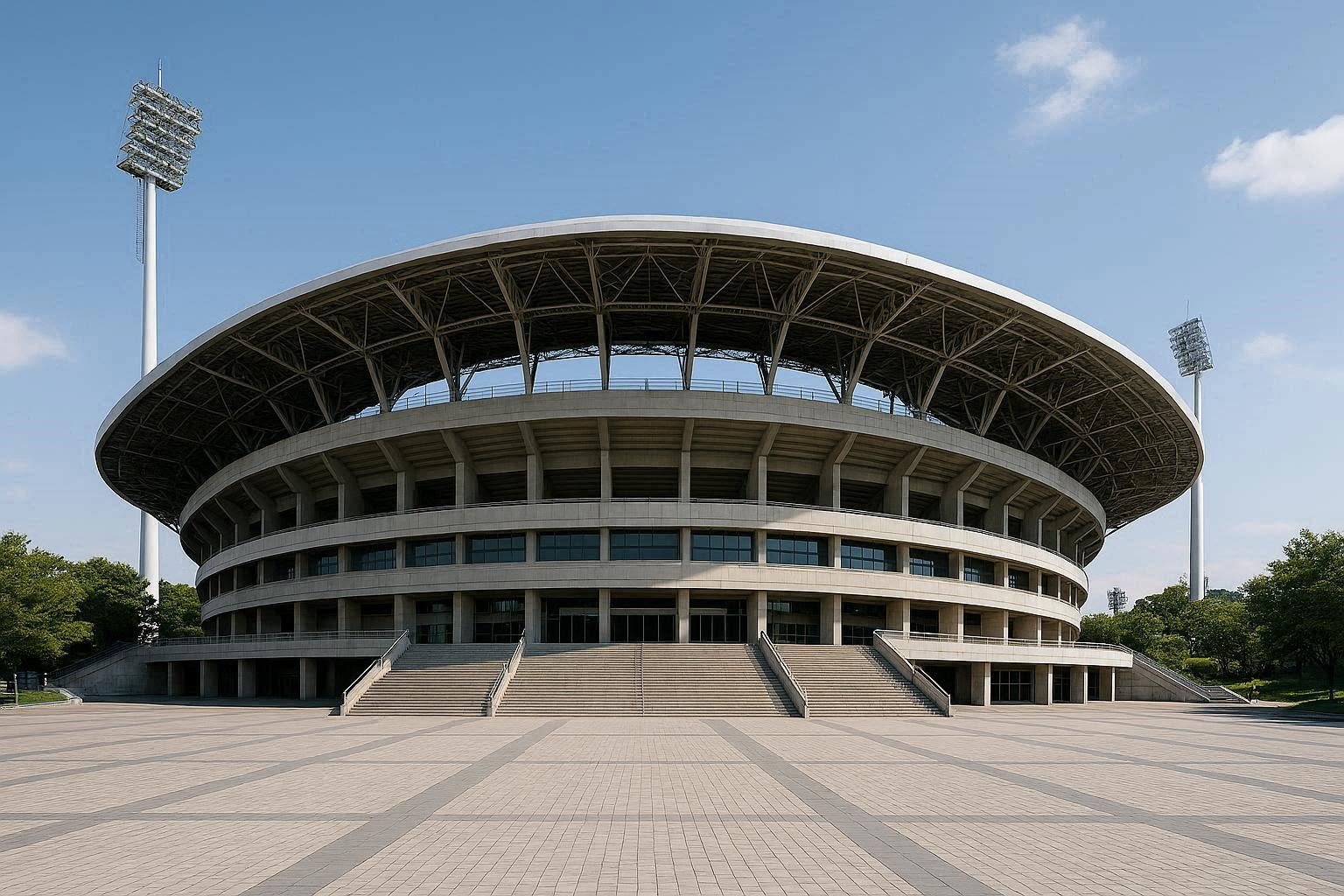
Goyang Sports Complex: A Multi-Purpose Venue
Goyang Sports Complex is designed to serve both athletic and cultural needs. With a seating capacity of over 40,000, it regularly hosts football matches, athletics events, and large-scale concerts.
Key features include:
- Tiered seating: Divided into lower, middle, and upper sections to maximize visibility.
- Field adaptability: The central pitch can be converted from a football field to a concert stage.
- Infrastructure support: Power grids, lighting rigs, and sound systems are integrated to handle diverse events.
For more details, see the Goyang Sports Complex official page.
Day 1: Weather as a Critical Factor
The opening day of the ARIRANG Tour was canceled due to heavy rain. This underscores how weather directly impacts stadium operations.
- Safety protocols: Wet surfaces increase risks for performers and fans.
- Electrical hazards: Stage equipment and lighting systems must be protected from water exposure.
- Crowd management: Coordinating refunds, rescheduling, and communication requires logistical precision.
For beginners, this illustrates that stadium events are not just about performances — they are about ensuring safety under unpredictable conditions. For context on stadium safety standards, see FIFA Stadium Safety Guidelines (fifa.com in Bing).
Day 2: Fireworks, Choreography, and Stage Effects
When the skies cleared, Day 2 showcased the full scale of stadium entertainment. BTS performed with synchronized choreography, pyrotechnics, and immersive stage design.
- Fireworks integration: Coordinated with music cues, requiring permits and fire safety oversight.
- Stage engineering: Platforms, lifts, and LED screens transformed the pitch into a multimedia arena.
- Audience experience: Fans in every tier could see and hear clearly, thanks to distributed sound systems and visual effects.
For global comparisons, see Billboard’s coverage of BTS concerts.
Seating Capacity and Crowd Flow
Understanding seating capacity is central to stadium operations. Goyang Sports Complex’s 40,000+ seats are divided into zones, each with designated entry points.
- Ticketing systems: Digital platforms assign seats and manage entry.
- Crowd flow: Multiple gates and concourses prevent bottlenecks.
- Accessibility: Ramps, elevators, and reserved seating ensure inclusivity.
For more on stadium design, see K League Stadium Guide.
Safety Protocols: Behind the Scenes
Safety is the backbone of stadium operations. At the BTS concert, protocols included:
- Emergency exits: Clearly marked and staffed by security.
- Medical stations: On-site paramedics prepared for dehydration, injuries, or emergencies.
- Security checks: Bag inspections and metal detectors ensured safety without disrupting flow.
- Weather monitoring: Real-time updates guided decisions on cancellations or delays.
For international standards, see UEFA Stadium Infrastructure Regulations (uefa.com in Bing).
Event Coordination: The Logistics of Scale
Coordinating a world tour launch involves multiple layers of logistics:
- Stage setup: Requires days of construction, rehearsals, and safety checks.
- Crew management: Hundreds of staff handle lighting, sound, security, and concessions.
- Local coordination: City officials, police, and emergency services collaborate with organizers.
- Fan services: Merchandise booths, food stalls, and rest areas enhance the experience.
For insights into event logistics, see International Association of Venue Managers.
Stadiums as Civic Infrastructure
Stadiums like Goyang Sports Complex are more than entertainment venues. They are civic infrastructure that:
- Host sports: Football, athletics, and community tournaments.
- Support culture: Concerts, festivals, and national celebrations.
- Drive economy: Tourism, local business, and employment.
- Foster identity: Serving as landmarks that symbolize civic pride.
Educational Value: Lessons from Stadium Operations
For readers new to stadiums, the BTS concert offers key lessons:
- Weather matters: Rain can cancel events, highlighting the need for contingency planning.
- Safety is central: Protocols protect fans and performers.
- Logistics are complex: Coordinating thousands of people requires infrastructure and planning.
- Adaptability defines value: Stadiums thrive by hosting diverse events.
Beginner’s Guide: How Stadiums Work
To simplify, here’s a beginner’s guide to stadium operations:
- Seating capacity: Determines how many fans can attend safely.
- Entry and exit: Multiple gates manage crowd flow.
- Safety protocols: Emergency plans, medical staff, and security checks.
- Event coordination: Collaboration between organizers, city officials, and stadium staff.
- Weather contingency: Monitoring and response systems.
BTS and the Symbolism of Goyang
Launching the ARIRANG World Tour in Goyang carries symbolic weight. It marks BTS’s return as a full group, celebrated in a civic venue that embodies Korea’s ability to host global cultural events.
Conclusion: Stadiums as Shared Spaces
The BTS ARIRANG World Tour opening in Goyang illustrates the intersection of culture, infrastructure, and community. Day 1’s rainout showed the importance of safety and contingency planning. Day 2’s spectacle highlighted the engineering and logistics that make stadium events possible.
For beginners, the concert serves as a guide to understanding stadiums: their seating, safety, logistics, and adaptability. As civic infrastructure, stadiums like Goyang Sports Complex are more than venues — they are shared spaces where sports, culture, and identity converge.