



Introduction
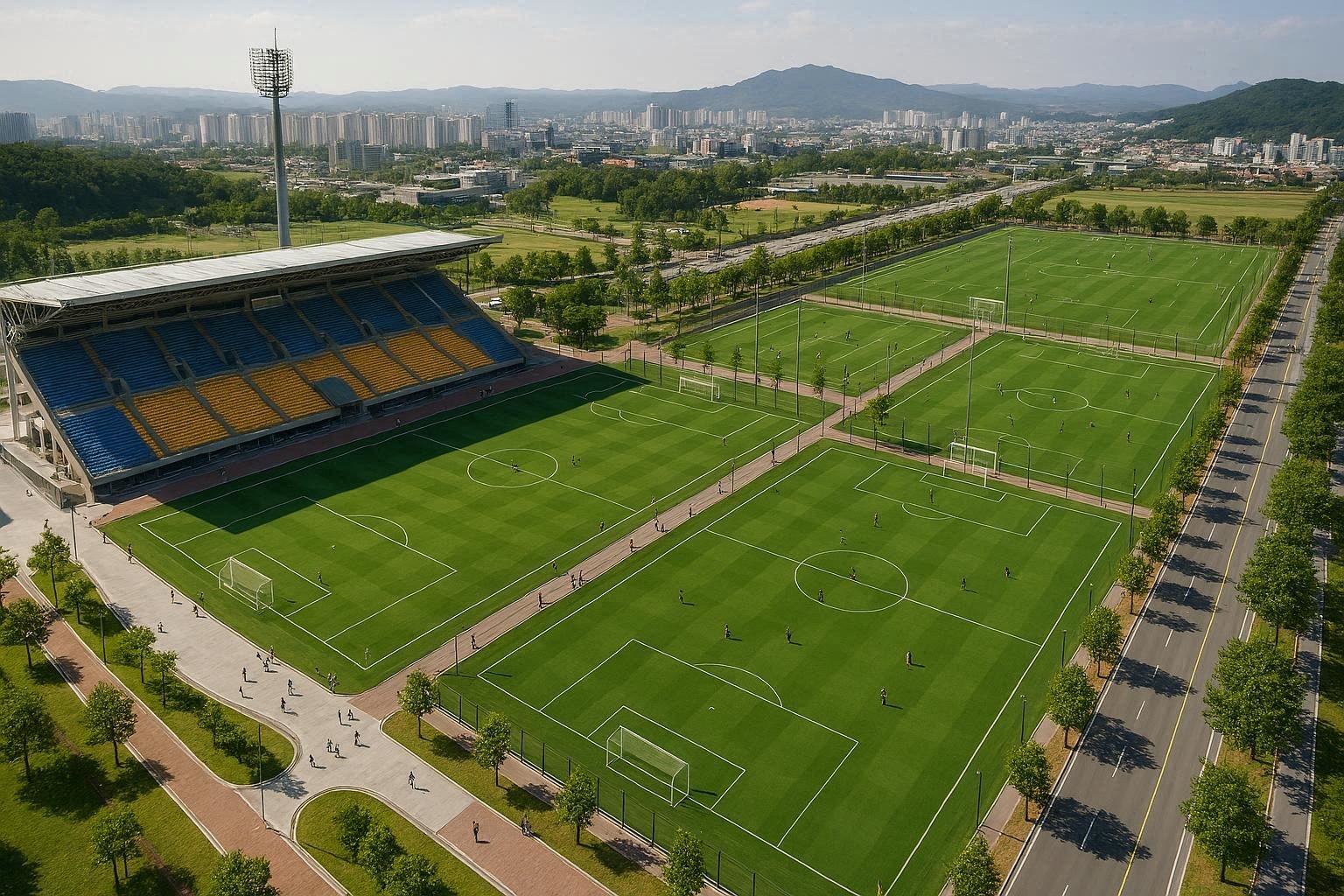
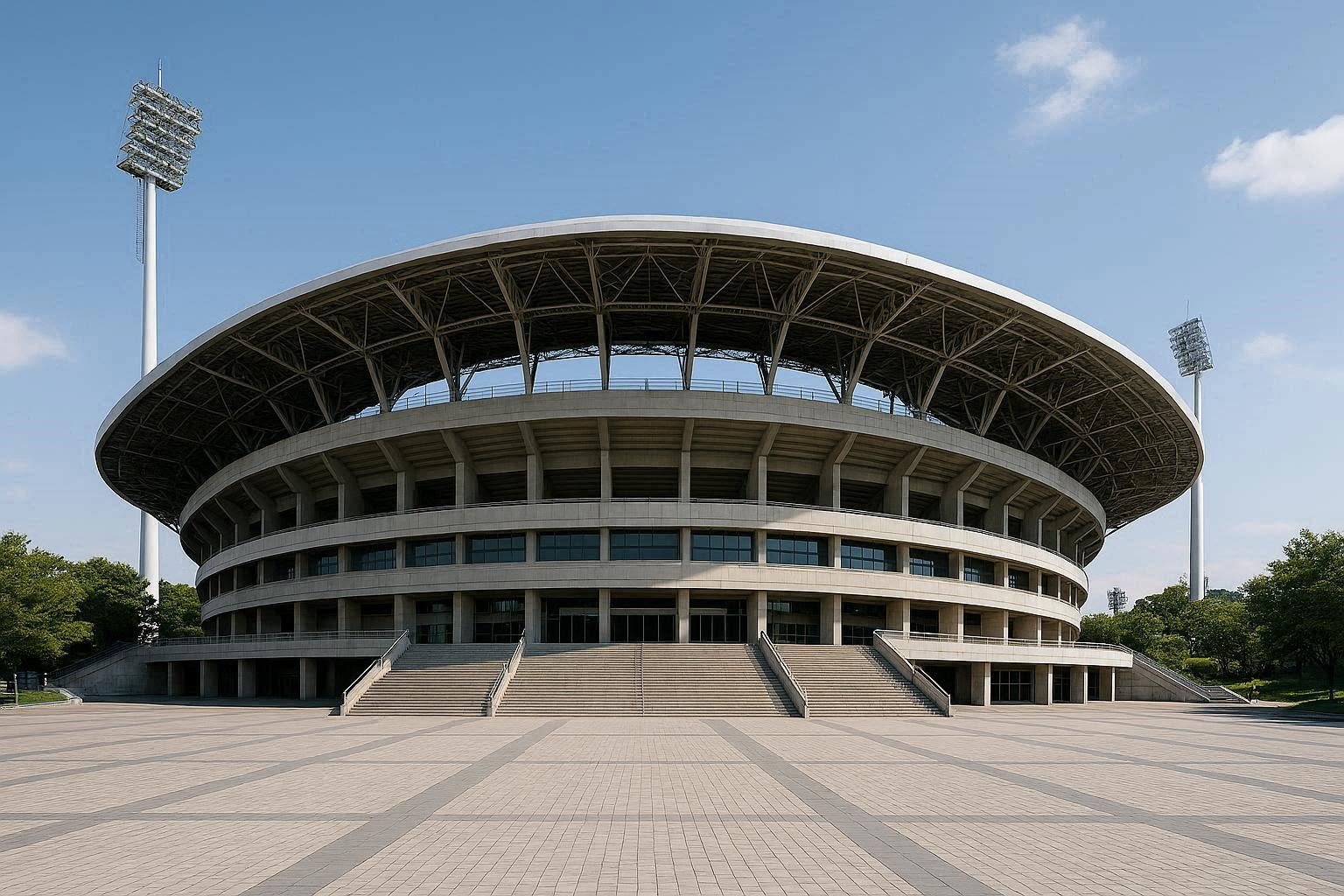
South Korea has taken a bold step in shaping the future of its football culture with the opening of the Korea Football Park in Cheonan. Envisioned as a landmark for the next 100 years of Korean football, the facility is designed to serve as a centralized hub for training, matches, and youth development (Korea Football Association).
For beginners, understanding what a football hub means is essential. It’s not just a stadium—it’s a comprehensive infrastructure that supports league systems, player development, and fan engagement. The Cheonan project reflects how sports infrastructure underpins competition formats, from grassroots academies to professional leagues, while also connecting communities across the country.
What a Football Hub Means
A football hub is more than a venue—it’s a multi-purpose ecosystem that integrates different aspects of the sport:
- Training Facilities: Modern gyms, practice pitches, and rehabilitation centers for players at all levels.
- Match Venues: Stadiums designed for domestic league games, youth tournaments, and international friendlies.
- Youth Academies: Dedicated spaces for nurturing young talent, with coaching programs aligned to national standards.
- Community Spaces: Areas for fans, families, and local residents to engage with football culture.
By centralizing these elements, Korea Football Park ensures that football development is streamlined, efficient, and accessible.
Why It Matters
The opening of Korea Football Park is significant for several reasons:
- League Systems: Infrastructure supports the K League and lower divisions, providing standardized facilities for matches and training (K League Official).
- Player Development: Youth academies and training centers create pathways from grassroots football to professional careers.
- Fan Engagement: Modern stadiums and community spaces enhance the spectator experience, making football more inclusive.
- National Identity: A landmark facility symbolizes Korea’s commitment to football as a cultural and sporting pillar.
For fans, the hub represents a tangible investment in the future of the sport, ensuring that Korea remains competitive on the global stage.
Beginner Guide: How Infrastructure Supports Football
For new fans, it’s important to understand how infrastructure underpins football competition formats:
- Youth Academies: These programs identify and train young players, teaching them technical skills and tactical awareness.
- League Systems: Facilities allow clubs to host matches across divisions, ensuring consistency in competition.
- National Teams: Centralized hubs provide training grounds for national squads, preparing them for international tournaments.
- Fan Culture: Stadiums and community spaces foster engagement, creating environments where fans can connect with the sport.
Without infrastructure, football systems struggle to function. Korea Football Park demonstrates how investment in facilities strengthens every layer of the game.
Educational Takeaway: Infrastructure and Competition Formats
Sports infrastructure is the backbone of competition formats. Here’s how it works:
- Grassroots to Professional Pathways: Youth academies feed into club systems, which then connect to national leagues.
- Standardization: Centralized facilities ensure consistent training and match conditions.
- Integration: Infrastructure links different levels of competition, from local tournaments to international fixtures.
- Sustainability: Long-term investment in facilities ensures the sport’s growth over decades.
For readers, this highlights the importance of infrastructure in shaping not just games, but entire sporting cultures.
Regional Relevance: Cheonan and Beyond
Cheonan, located in Chungcheong Province, is now home to Korea Football Park. While the hub is national in scope, its impact extends to regions like Gyeonggi-do, including cities such as Goyang:
- Accessibility: Fans from Goyang and other Gyeonggi communities will travel to Cheonan for matches and events.
- Cultural Connection: The hub strengthens ties between regions, creating a shared national football identity.
- League Structures: Clubs across Korea benefit from standardized facilities, influencing competition formats in Gyeonggi-do.
- Youth Development: Young players from Goyang can access pathways that connect them to national academies.
The hub’s national role ensures that communities across Korea, including Gyeonggi-do, see long-term impacts on football culture. For Goyang readers, this connects to broader sports education themes, such as learning tournament structures in golf (Goyang Insider). Together, these examples show how infrastructure and competition formats shape fan understanding across different sports.
Industry Trend: Football Infrastructure as Cultural Investment
Globally, football hubs are becoming central to sports development:
- Europe: Clubs like Barcelona and Bayern Munich invest heavily in training centers and academies (FC Barcelona La Masia (fcbarcelona.com in Bing)).
- Asia: Japan and China have built national football centers to support player development (AFC News).
- Korea: The Cheonan hub positions Korea alongside these nations, emphasizing infrastructure as a cultural investment.
This trend reflects how football is more than a sport—it’s a social and cultural institution supported by long-term planning.
Fan Engagement and Community Impact
Football hubs also reshape fan engagement:
- Modern Stadiums: Enhanced seating, digital screens, and interactive experiences improve match-day atmospheres.
- Community Programs: Facilities host events, workshops, and grassroots tournaments.
- Digital Integration: Wi-Fi zones and apps allow fans to access live stats, replays, and interactive content.
- Cultural Spaces: Cafes, museums, and fan zones create environments where football culture thrives.
For fans in Cheonan, Goyang, and beyond, Korea Football Park becomes a destination for both sport and community.
Challenges Ahead
Despite its promise, Korea Football Park faces challenges:
- Maintenance Costs: Sustaining facilities requires significant investment.
- Accessibility: Ensuring equal access for communities across Korea is essential.
- Youth Integration: Aligning academies with league systems requires careful planning.
- Global Competitiveness: Infrastructure must translate into success on the international stage.
Addressing these challenges will be key to realizing the hub’s vision for the next 100 years.
Educational Framework for Readers
To analyze Korea Football Park’s role, readers can apply this framework:
- Identify Stakeholders: Players, clubs, fans, and governing bodies.
- Understand Goals: Development, competition, engagement, and national identity.
- Evaluate Tools: Facilities, academies, stadiums, and community programs.
- Assess Impact: How infrastructure influences league systems, player pathways, and fan culture.
This framework empowers readers to critically engage with the role of infrastructure in sports.
Future Outlook
Looking ahead, Korea Football Park will shape football in several ways:
- Youth Development: Academies will produce new generations of talent.
- League Growth: Standardized facilities will strengthen domestic competitions.
- National Success: Centralized training will support Korea’s international ambitions.
- Cultural Integration: Fans across Korea will connect through shared experiences at the hub.
The facility’s vision for the next 100 years ensures that football remains a cornerstone of Korean culture.
Conclusion
The opening of Korea Football Park in Cheonan marks a defining moment for Korean football. As a national hub, it centralizes facilities for training, matches, and youth development, reflecting how infrastructure supports league systems, player pathways, and fan engagement.
For beginners, the hub provides an educational case study in how sports infrastructure underpins competition formats, from grassroots academies to professional leagues. For regions like Goyang in Gyeonggi-do, the hub’s national role ensures long-term impacts on football culture and league structures.
As Korea looks ahead to the next century of football, Cheonan’s landmark facility stands as both a symbol of ambition and a foundation for sustainable growth.