


Introduction
The Goyang Sono Skygunners’ advancement in the KBL playoffs has drawn attention from new fans in Goyang and beyond. Their success is not only a story of athletic achievement but also an opportunity for beginners to understand how the KBL playoff format works. With rookie players like Kevin Quiambao making a significant impact, the Skygunners’ journey highlights the importance of player development systems in Korean basketball and offers insights into league structures and progression mechanics.
Understanding the KBL Playoff Format
For newcomers to Korean basketball, the playoff format can initially seem complex. The KBL postseason is structured to reward regular-season performance while maintaining competitive drama:
- Seeds 3 to 6: These teams enter elimination rounds, battling for the right to advance.
- Top Two Seeds: The first and second-ranked teams from the regular season automatically qualify for the semifinals, giving them a strategic advantage.
- Progression: Winners from the elimination rounds face the top seeds in the semifinals, with the victors advancing to the finals.
This format ensures that every regular-season game matters, while also giving lower-ranked teams a chance to prove themselves in high-stakes matchups.
For a broader look at how amateur competition formats mirror professional structures, see
Goyang Citizen Sports Festival: Understanding Amateur Competition Formats.
Sono’s Playoff Journey
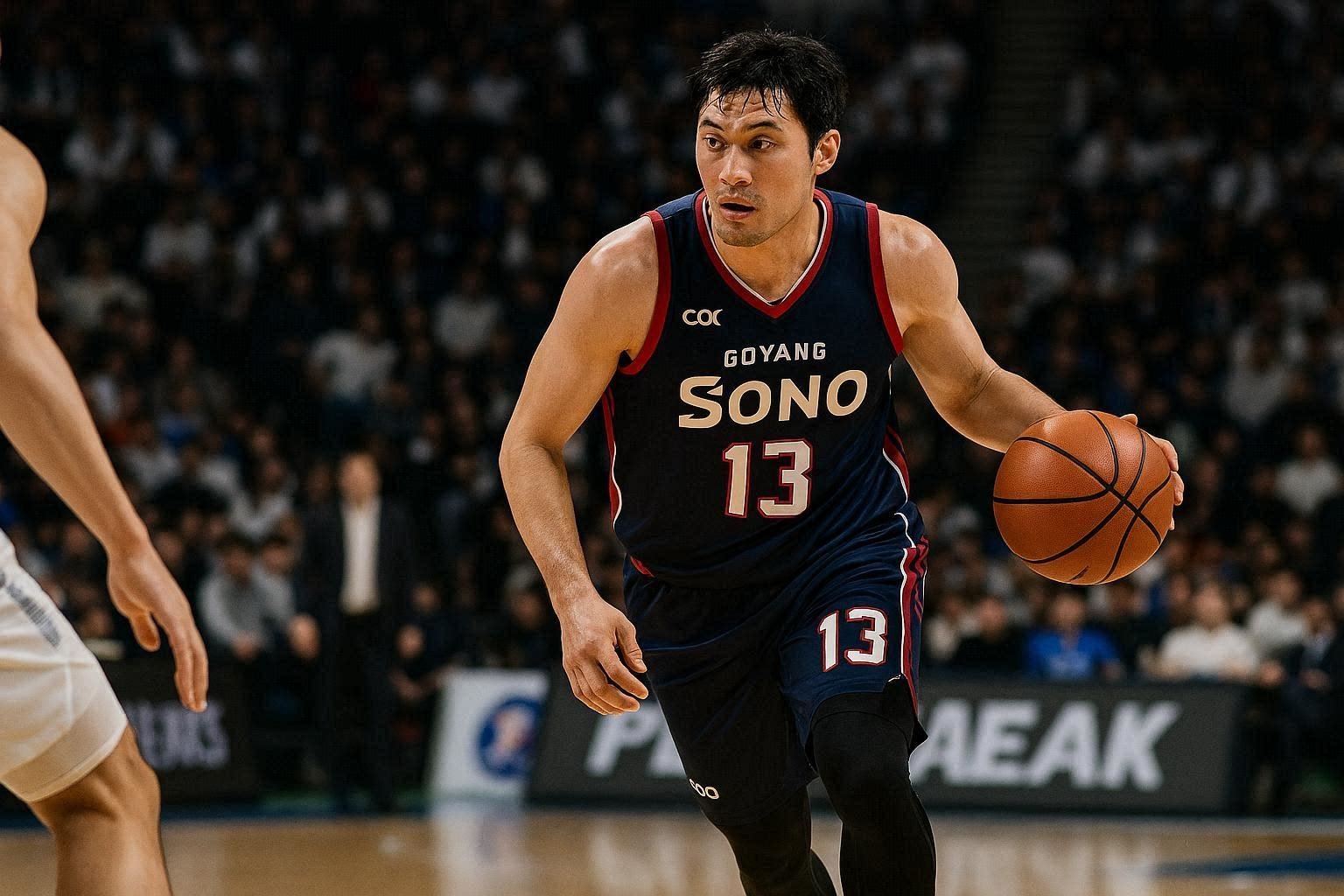
The Skygunners’ playoff run has been marked by resilience and tactical adaptability. Their ability to navigate elimination rounds demonstrates the depth of their roster and the effectiveness of their coaching staff. Each game has showcased not only athletic skill but also strategic decision-making, from defensive adjustments to offensive rotations.
The Role of Rookie Players
Kevin Quiambao’s emergence as a rookie sensation underscores the importance of player development in the KBL. His contributions in crucial moments highlight how young talent can shift the balance of playoff games. For Sono, integrating rookies into the lineup has provided fresh energy and unpredictability, making them a formidable opponent even against higher-seeded teams.
This emphasis on rookies reflects a broader trend in Korean basketball, where clubs invest heavily in scouting and development to ensure long-term competitiveness.
League Structures and Progression Mechanics
Understanding the KBL’s structure is essential for appreciating the drama of the playoffs. The league operates on a system that balances regular-season performance with postseason opportunity. Teams must manage rosters strategically, balancing veteran leadership with rookie development. Progression mechanics ensure that every stage of the playoffs tests different aspects of team resilience, from endurance in elimination rounds to tactical precision in semifinals and finals.
Fan Engagement and Community Impact
Sono’s playoff success has energized fans in Goyang, creating a surge in community engagement. Local supporters have rallied behind the team, filling arenas and amplifying their presence on social media. This engagement reflects the cultural significance of basketball in Korea, where regional clubs serve as focal points for civic pride and identity.
External references:
Educational Insight: Learning Through Playoffs
For beginners, following Sono’s playoff journey provides a practical education in basketball structures. Observing how teams progress through elimination rounds, how rookies influence outcomes, and how league mechanics shape competition offers valuable insights into professional sports. This educational dimension enriches the fan experience, transforming spectatorship into a deeper understanding of the game.
Challenges Ahead
Despite their success, Sono faces significant challenges. Higher-seeded teams in the semifinals bring experience and tactical depth. Maintaining momentum while integrating rookies requires careful management. Additionally, the pressure of national attention can test the resilience of both players and coaching staff. Overcoming these challenges will determine whether Sono can advance further in the playoffs.
Conclusion
The Goyang Sono Skygunners’ advancement in the KBL playoffs is more than a sports story—it is a lens through which fans can understand league structures, playoff mechanics, and the role of player development in Korean basketball. For new fans in Goyang, this journey offers both excitement and education, highlighting how regional clubs contribute to the national basketball narrative. As Sono continues their playoff run, their success will serve as a case study in resilience, innovation, and the evolving dynamics of professional basketball in Korea.