


Introduction
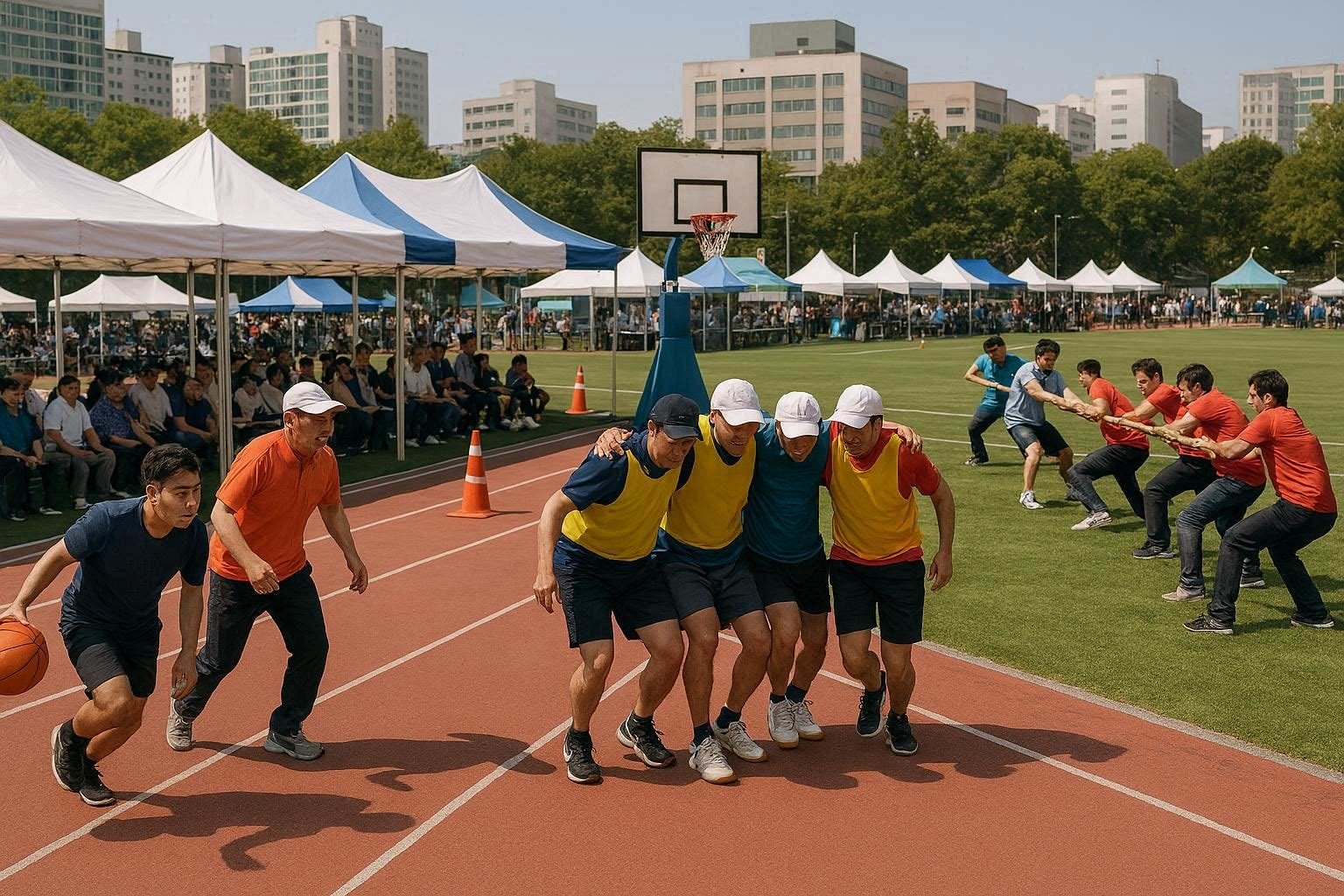
Goyang City has announced expanded participation for its spring Citizen Sports Festival, featuring events in football, basketball, and track. The festival is designed to bring together residents of all ages, encouraging community spirit and healthy competition. Yet many participants and spectators are unfamiliar with how amateur sports competitions are organized. This article provides a beginner-friendly guide to understanding formats, scoring systems, and governance, showing how local events mirror professional structures.
Festival Context
The Citizen Sports Festival is a cornerstone of Goyang’s community calendar. By expanding participation, the city aims to foster inclusivity and ensure that more residents experience the joy of organized sports. Football matches, basketball tournaments, and track events are structured to accommodate varying skill levels, from recreational players to more competitive amateurs. This inclusivity reflects Goyang’s broader commitment to civic engagement through sports.
For readers interested in how sports infrastructure supports these events, see
Korea Football Park Opens in Cheonan: A National Sports Hub.
Beginner Guide: Competition Formats
Understanding competition formats is essential for participants and spectators alike. Amateur sports often adopt structures similar to professional tournaments, ensuring fairness and excitement. The most common formats include:
- Group Stages: Teams are divided into groups and play round-robin matches. Points are awarded for wins and draws, with top teams advancing.
- Knockout Rounds: Teams face elimination matches, with winners progressing and losers exiting the competition.
- Hybrid Formats: Some festivals combine group stages with knockout rounds, ensuring both inclusivity and competitive intensity.
These formats balance participation with competitiveness, allowing more teams to play while ensuring that the strongest advance.
Scoring Systems Explained
Scoring systems vary by sport but share common principles:
- Football: Wins earn three points, draws one point, and losses zero. Goal difference often serves as a tiebreaker.
- Basketball: Games are decided by total points scored. Tournament standings may rely on win-loss records and point differentials.
- Track: Events are timed, with medals awarded based on finishing positions. Team scores may aggregate individual performances.
Understanding these systems helps participants and spectators follow the action and appreciate the strategies involved.
Community-Level Governance
Local sports festivals are governed by committees that establish rules, schedules, and dispute resolution mechanisms. Governance ensures fairness and transparency, mirroring professional sports organizations. In Goyang, community leaders, educators, and volunteers collaborate to manage logistics, from venue preparation to referee assignments.
This governance model emphasizes inclusivity and accountability, ensuring that amateur competitions reflect civic values as much as athletic ones.
Educational Insight: Mirroring Professional Structures
Amateur competitions often mirror professional structures, providing participants with a sense of legitimacy and spectators with familiar excitement. Group stages and knockout rounds are staples of global tournaments like the FIFA World Cup and the Olympics. By adopting these formats, local festivals teach residents about the broader sports ecosystem and foster appreciation for professional competitions.
External references:
Why Formats Matter
Competition formats shape the experience of participants and spectators. Group stages encourage inclusivity, allowing teams to play multiple matches. Knockout rounds heighten drama, with every match carrying high stakes. Hybrid formats balance these elements, ensuring both participation and excitement. For communities, these formats provide structure and predictability, making festivals more engaging and accessible.
Case Study: Football in Goyang
Football tournaments at the Citizen Sports Festival adopt group stages followed by knockout rounds. This ensures that all teams play multiple matches, fostering inclusivity, while also creating dramatic elimination games. The format mirrors professional tournaments, teaching participants about global football structures while providing local excitement.
Case Study: Basketball in Goyang
Basketball competitions often use round-robin formats within groups, followed by semifinals and finals. Point differentials may serve as tiebreakers, encouraging teams to play competitively even in matches where victory seems assured. This structure mirrors professional leagues, teaching participants about the importance of consistency and strategy.
Case Study: Track Events
Track competitions rely on heats, semifinals, and finals. Timed performances determine advancement, ensuring fairness and transparency. This format mirrors global athletics competitions, teaching participants about the importance of precision and consistency. For spectators, track events provide clear, exciting outcomes that highlight individual achievement.
Community Impact
The Citizen Sports Festival strengthens community bonds by providing opportunities for participation, learning, and celebration. Residents gain exposure to competition formats, scoring systems, and governance structures, fostering appreciation for both amateur and professional sports. The festival also promotes health, inclusivity, and civic pride, reinforcing Goyang’s identity as a community that values engagement and education.
Global Lessons
Goyang’s festival reflects global trends in sports governance and engagement. By adopting professional structures, local events teach residents about international sports ecosystems. This alignment fosters cultural literacy, helping communities understand how local participation connects to global practices.
External references:
Conclusion
The Goyang Citizen Sports Festival offers more than competition—it provides education in how amateur sports mirror professional structures. By explaining formats, scoring systems, and governance, the festival helps residents understand the broader sports ecosystem. For participants, this knowledge enhances engagement; for spectators, it enriches appreciation. For the community, it reinforces civic identity and global literacy.
As Goyang expands participation, the Citizen Sports Festival will continue to serve as a model for how local events can combine competition, education, and community engagement. By embedding professional structures into amateur contexts, the festival ensures that residents not only play but also learn, connecting local identity to global sports culture.