



Introduction
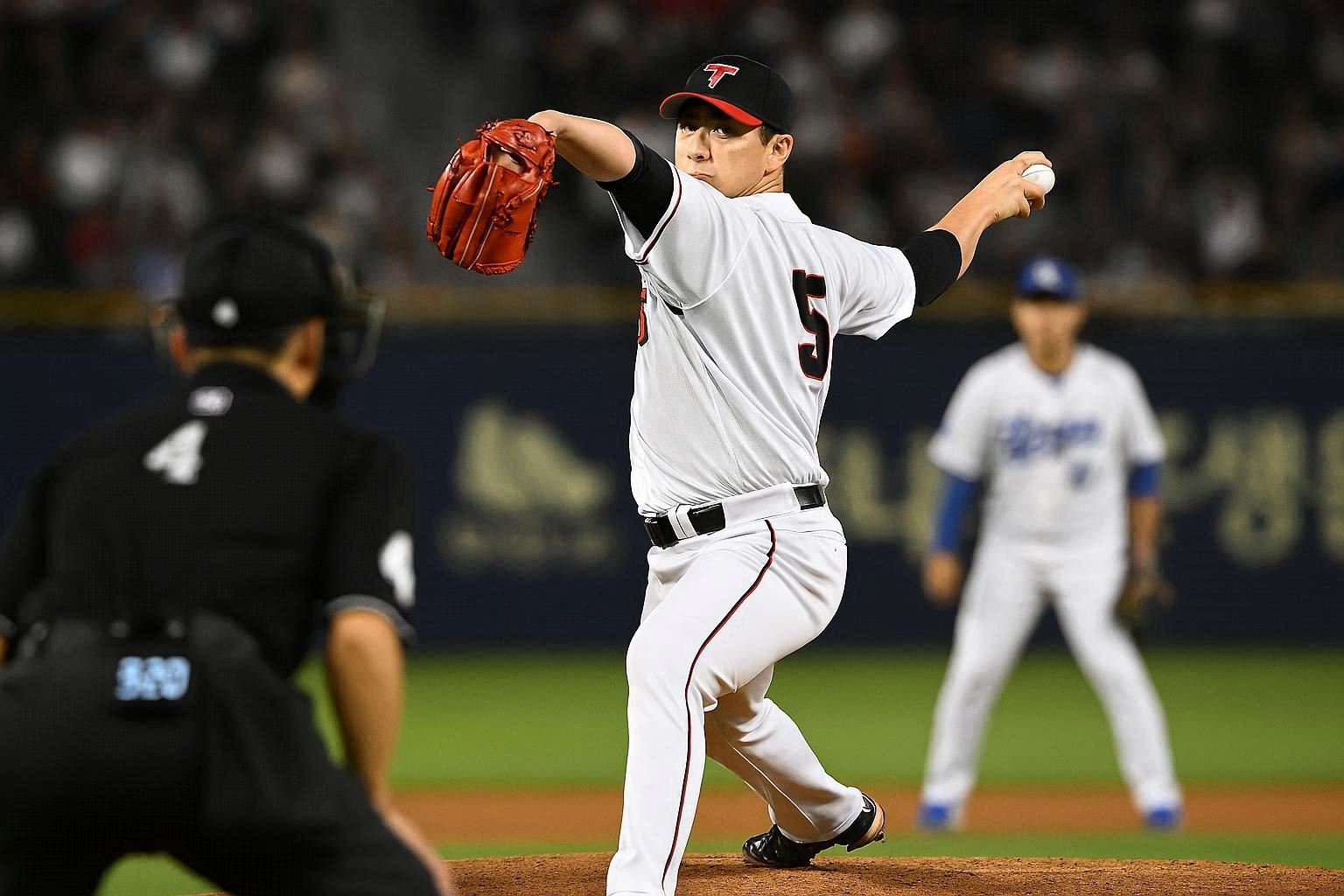
The Korea Baseball Organization (KBO) entered the 2026 season with a clear mission: shorten game times and modernize baseball for fans. Inspired by reforms in Major League Baseball (MLB), the KBO introduced new pace-of-play rules designed to reduce downtime. These included limits on mound visits, stricter enforcement of pitch clocks, and tighter regulations on batter readiness.
The expectation was simple: faster games, more excitement, and a product better suited to modern audiences. Yet early reports show that matches are still running long, often exceeding three hours. The culprit? Increased walks and extended innings, which add time regardless of pace rules.
For fans in Goyang and across Gyeonggi-do, this situation provides a valuable entry-level lesson in baseball’s structure: rules can change the rhythm, but the game’s length is ultimately dictated by outs, innings, and walks.
Beginner Guide: What Pace-of-Play Means
For new fans, “pace-of-play” refers to the speed and rhythm of a baseball game. It is not about the total number of innings (which is fixed at nine in regulation play) but about how quickly those innings progress.
Common pace-of-play rules include:
- Pitch clocks: Timers that limit how long pitchers can take between pitches.
- Batter readiness rules: Batters must be in the box and ready to hit within a set time.
- Mound visit limits: Teams can only visit the pitcher’s mound a certain number of times per game.
- Quick substitutions: Rules that encourage faster changes between pitchers or batters.
These measures aim to reduce idle time, keeping fans engaged and broadcasts efficient.
Why Games Remain Long
Despite these reforms, KBO games are still running long. The main reasons are structural:
- Walks (Base on Balls):
- When pitchers throw four balls outside the strike zone, the batter advances to first base.
- Walks extend at-bats, increase baserunners, and prolong innings.
- Under time pressure, pitchers often become cautious, nibbling at the edges of the strike zone, which ironically leads to more walks.
- Extended Innings:
- Baseball has no game clock. Each inning requires three outs per team.
- If pitchers struggle or defenses falter, innings can stretch far beyond expectations.
- Extra innings (when games are tied after nine) add even more time.
- Game Structure:
- Outs, innings, and walks are fundamental to baseball.
- Unlike basketball or soccer, where a clock dictates length, baseball’s duration depends on how efficiently outs are recorded.
This shows why external regulations can only do so much. Baseball’s DNA ensures that game length is tied to play outcomes, not just pace rules.
Educational Takeaway: Structure Over Regulation
For fans, the key lesson is that rule changes don’t always produce immediate results.
- Baseball’s rhythm: Outs and innings dictate length more than external rules.
- Walks matter: Even with faster pitch clocks, cautious pitching can prolong games.
- Patience required: Reforms take time to influence player behavior and league culture.
Understanding this helps new fans appreciate why baseball remains unique among sports: its length is flexible, shaped by play rather than a ticking clock.
Case Study: Early Season Games
Reports from early-season KBO games illustrate the paradox:
- Shorter pauses: Pitchers deliver faster, and batters step in more quickly.
- Longer innings: Walks and extended counts offset the saved time.
- Fan experience: Some fans enjoy the quicker tempo between pitches, while others notice that overall game length remains unchanged.
This case study highlights how reforms can alter rhythm without reducing duration, offering fans a practical example of baseball’s complexity.
Regional Relevance: Goyang and Gyeonggi-do
For residents of Goyang and the broader Gyeonggi-do region, the pace-of-play debate is not abstract. Local fans following KBO teams, especially KT Wiz in nearby Suwon, are experiencing these changes firsthand.
- Stadium culture: Fans adjust their routines, with shorter breaks between pitches but similar overall game lengths.
- Community identity: Baseball remains a social ritual, with long games serving as opportunities for extended gatherings.
- Educational relevance: For Goyang residents, this situation provides a beginner-friendly example of how league rules interact with game structure, showing that reforms cannot override baseball’s fundamentals.
This regional perspective also connects to broader sports education, such as understanding K League playoff formats. Together, these resources help fans in Goyang see how league rules and structures shape the rhythm of sports, whether in baseball or football.
Historical Perspective: Baseball’s Pace Debate
The debate over baseball’s length is global.
- MLB reforms: In 2023, MLB introduced pitch clocks, reducing average game times by 20–30 minutes (MLB.com (mlb.com in Bing) (bing.com in Bing)).
- KBO context: Korea’s league adopted similar reforms, but cultural differences mean fans often value the social aspect of long games.
- Tradition vs. modernization: Efforts to shorten games must balance efficiency with the communal rituals that define baseball culture.
This historical perspective shows that pace-of-play reforms are part of a broader conversation about how sports adapt to modern audiences.
Broader Implications: Regulation as Cultural Force
The KBO’s reforms highlight a broader truth: regulation is not just about efficiency; it is a cultural force.
- Fan trust: Audiences must believe that reforms enhance rather than diminish the game.
- Behavioral shifts: Regulation changes how fans interact with each other, with stadiums, and with broadcasts.
- Cultural identity: In Korea, baseball is more than sport; it is a social ritual. Altering its rhythm reshapes cultural identity.
These implications underscore why pace-of-play reforms must be evaluated not only in terms of minutes saved but in terms of cultural resonance.
Beginner Guide: How Fans Can Understand Game Length
For new fans, here are simple ways to understand why baseball games run long:
- Three outs per inning: Each team must record three outs before switching sides.
- Nine innings minimum: Games last nine innings, but extra innings are added if tied.
- Walks and hits: More baserunners mean longer innings.
- Pitching strategy: Cautious pitching can extend at-bats, adding time.
By learning these basics, fans can appreciate why baseball’s length is flexible and why reforms may not immediately shorten games.
Conclusion
The KBO’s pace-of-play rules were designed to shorten games and modernize baseball. Yet early reports show that matches remain lengthy, with increased walks and extended innings offsetting the intended efficiency.
For fans, especially those in Goyang and Gyeonggi-do, the educational takeaway is clear: baseball’s structure — outs, innings, and walks — dictates game length more than external regulations.
This beginner-friendly lesson helps new audiences understand that reforms may change rhythm but not duration, reinforcing baseball’s identity as a sport where patience, strategy, and unpredictability define the experience.