


Introduction
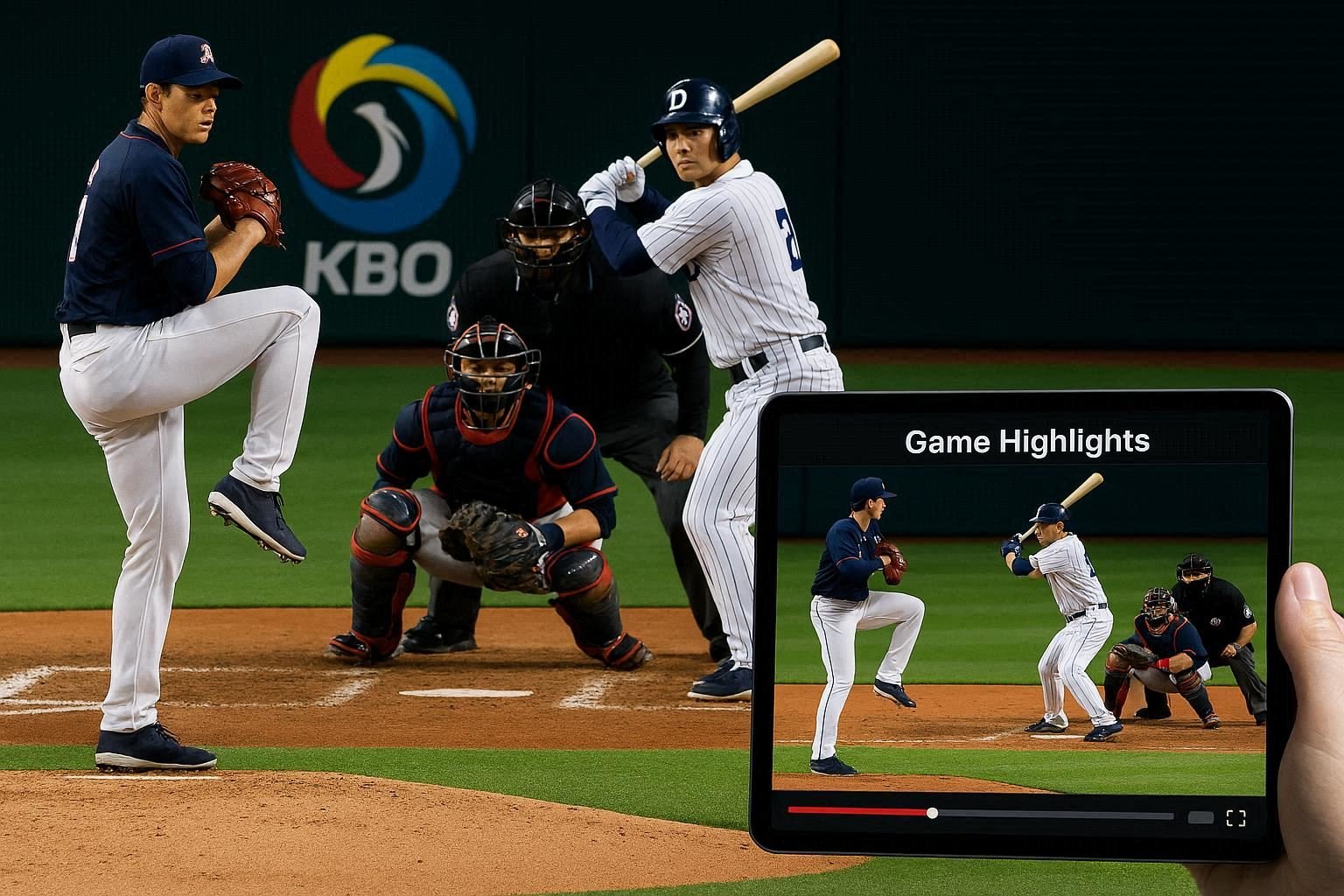
The Korea Baseball Organization (KBO) has announced expanded streaming coverage for the 2026 season, introducing new digital access points for fans both in Korea and abroad. This development reflects a broader transformation in sports broadcasting, where streaming platforms are increasingly central to how audiences consume live games. For beginners, this moment offers a chance to understand how broadcasting rights work, why streaming differs from traditional television, and how these shifts affect everyday sports engagement.
Context: Expanded Streaming Coverage
The KBO’s 2026 season rollout includes:
- New Platforms: Partnerships with domestic and international streaming services to broaden access.
- Mobile Integration: Enhanced apps that allow fans to watch games on smartphones and tablets.
- Global Reach: Expanded coverage for overseas audiences, particularly in North America and Southeast Asia.
- Interactive Features: Real-time stats, multi-angle viewing, and fan chat functions integrated into streams.
This expansion ensures that fans can follow their teams more flexibly, whether at home, on the go, or abroad.
Industry Trend Angle: How Broadcasting Rights Work
For beginners, understanding broadcasting rights is key to grasping why these changes matter:
- Ownership of Rights: The league (KBO) owns the rights to its games and decides how they are distributed.
- Negotiation with Broadcasters: TV networks or streaming platforms pay for the rights to show games.
- Exclusive vs. Shared Rights: Some platforms may have exclusive coverage, while others share rights across multiple outlets.
- Streaming vs. TV: Traditional TV relies on scheduled broadcasts, while streaming offers on-demand flexibility and interactive features.
This system explains why fans sometimes need multiple subscriptions to access all games, and why shifts in rights agreements directly affect accessibility.
Educational Value: Why Media Rights Matter
Media rights agreements are not just business deals—they shape the entire sports ecosystem:
- Accessibility: Expanded streaming ensures more fans can watch games, regardless of location.
- Viewing Habits: Fans increasingly prefer mobile and on-demand viewing, shifting away from fixed TV schedules.
- Revenue Streams: Rights agreements generate significant income for leagues, funding player salaries and infrastructure.
- Cultural Impact: Broadcasting decisions influence how communities engage with sports, from local watch parties to global fan bases.
Understanding these dynamics helps readers see how industry-level decisions filter down to everyday experiences.
Regional Relevance: Goyang’s Sports Engagement
For residents of Goyang, broadcasting structures have direct relevance:
- Basketball and Baseball: Fans follow both local basketball teams like the Goyang Sono Skygunners and national baseball through the KBO.
- Community Connection: Expanded streaming allows Goyang residents to engage with sports even if they cannot attend games in person.
- Youth Inspiration: Local academies benefit from accessible broadcasts, inspiring young athletes to pursue careers in sports.
- Economic Ripple: Local businesses gain from increased sports visibility, as fans gather in cafes and venues to watch streamed games.
This regional lens shows how national broadcasting decisions shape local sports culture. For example, the Skygunners’ playoff success has been covered in detail (Goyang Sono Skygunners Secure Key Win in KBL Playoffs), illustrating how broadcasting and reporting structures connect local victories to national narratives.
Fan Culture: Streaming and Participation
Streaming shifts also transform fan culture:
- Interactive Viewing: Fans can comment, vote in polls, and share highlights instantly.
- Global Conversations: Overseas fans join discussions, expanding Korea’s baseball community worldwide.
- Generational Bridge: Younger fans embrace digital platforms, while older fans adapt to new viewing habits.
- Personalized Content: Streaming services tailor recommendations, highlights, and stats to individual preferences.
This participatory culture reflects how technology enhances the emotional and communal aspects of sports.
Risk Awareness: Challenges of Streaming Expansion
While streaming offers opportunities, it also presents challenges:
- Subscription Fragmentation: Fans may need multiple services to access all games.
- Digital Divide: Not all communities have equal access to high-speed internet.
- Data Privacy: Platforms collect user data, raising questions about security and consent.
- Over-Saturation: Too many options can overwhelm fans, complicating viewing choices.
Recognizing these risks ensures that streaming expansion remains inclusive and sustainable.
Historical Context: KBO Broadcasting Evolution
The KBO’s broadcasting journey reflects broader shifts in sports media:
- 1980s–1990s: Games aired primarily on national television.
- 2000s: Cable networks expanded coverage, introducing specialized sports channels.
- 2010s: Online highlights and social media supplemented broadcasts.
- 2020s: Streaming became central, aligning with global trends in sports consumption.
This trajectory shows how the KBO has continually adapted to changing technologies and fan expectations.
Broader Implications: Korea on the Global Stage
The KBO’s streaming expansion has implications beyond baseball:
- National Branding: Korea positions itself as a leader in digital sports innovation.
- Cultural Diplomacy: International coverage fosters cultural exchange and strengthens Korea’s global image.
- Economic Growth: Expanded reach attracts sponsors, advertisers, and investors.
- Future Aspirations: The KBO’s model could inspire other Korean leagues to pursue similar strategies.
Conclusion
The Korea Baseball Organization’s expanded streaming coverage for the 2026 season highlights a pivotal shift in sports broadcasting. For beginners, it offers a chance to understand how media rights agreements work, why streaming differs from traditional TV, and how these decisions affect accessibility and fan culture. For Goyang residents, it underscores how national broadcasting structures influence local sports engagement, connecting basketball and baseball communities through shared digital experiences.
As streaming becomes central to sports consumption, the KBO’s moves ensure that baseball remains accessible, interactive, and globally relevant—reshaping how fans experience the game for generations to come.
Further Reading
- KBO Official Website — schedules, stats, and official announcements.
- MLB.TV (mlb.com in Bing) — Major League Baseball’s streaming model for comparison.
- NPB Official Site — Nippon Professional Baseball’s digital initiatives.
- SportsPro Media — industry insights on sports broadcasting and streaming trends.
- UNESCO Sport and Education Resources — global perspectives on sports as cultural and educational tools.
- Goyang Sono Skygunners Secure Key Win in KBL Playoffs — coverage of Goyang’s basketball playoff success, showing how broadcasting connects local and national sports.